Ireland is famous for its breathtaking landscapes and scenic coastal drives, making it a dream destination for a road trip. However, driving here can be a shock for international visitors.
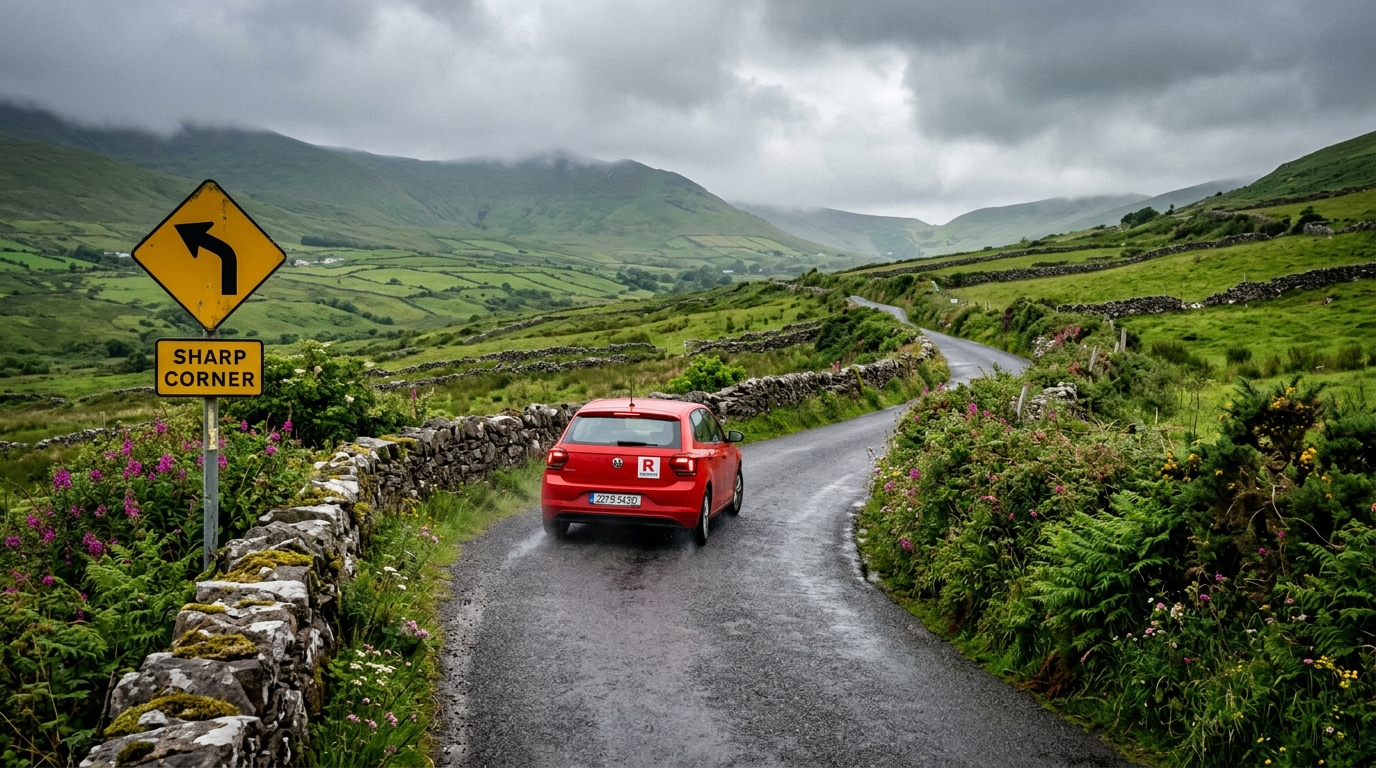
For starters, we drive on the left. But beyond lane positioning, Irish traffic signs present a major hurdle. In continental Europe and North America, warning signs are red triangles. In Ireland, they are yellow diamonds with black icons, similar to signs in the United States and Australia.
Key Takeaways
- 🚗 Keep Left: Always drive on the left side. Yield to all traffic on roundabouts and junctions from the right.
- 📐 Yellow Diamonds: Unlike Europe's red triangles, Irish warning signs are American/Australian style yellow diamonds.
- ⚖️ Legal BAC Limits: Visitors face a strict 50mg Blood Alcohol Concentration limit, dropping to 20mg for learners (Garda, 2026).
Here are some of the most critical road signs tourists must understand to keep their road trip safe and ticket-free:
What does the Yield sign mean for tourists in Ireland?
"Give way to traffic on the priority road."
Meaning:🔽 You must give way to traffic on the major road ahead.🚗 Let crossing traffic pass before you proceed.Traffic Sign Examples
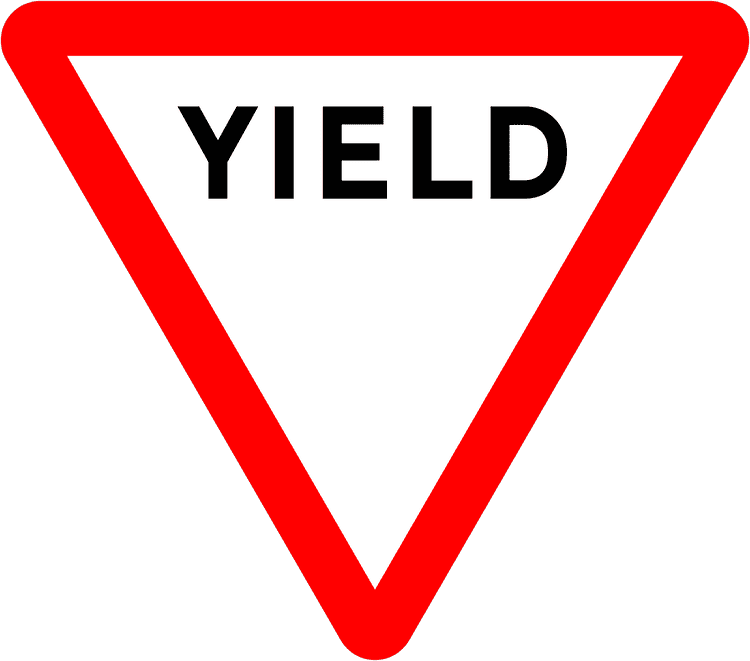 Yield
Yield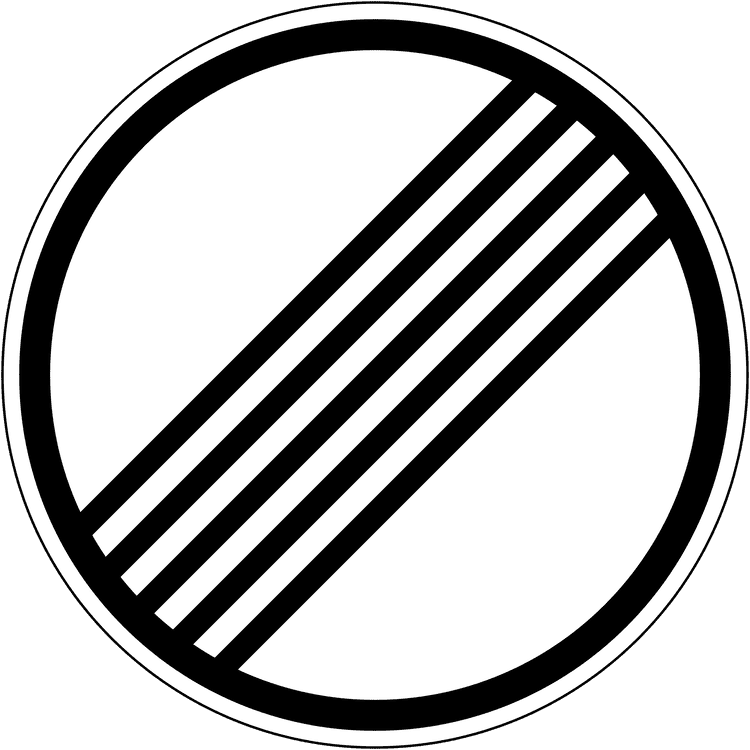 Rural Speed Limit
What is the Rural Speed Limit in Ireland?
"Posted maximum rural road speed."
Meaning:🔚 The previous speed limit has ended.🚗 The national speed limit for this type of road now applies.ℹ️ For cars, this is typically 80 km/h on rural roads.Where Found: Rural Speed Limit signs appear at the end of urban speed limit zones and special speed limit areas throughout Ireland, marking transitions from lower speed limits (30, 40, 50 km/h) back to national speed limits. Common at the outskirts of towns and villages on National and Regional Roads where urban 50 km/h limits end and 80 km/h rural limits resume. Found leaving Dublin city limits on routes like N1, N2, N3, N4, N7, N8, N11, leaving Cork city on N8, N20, N22, N25, and leaving Galway city on N6, N17, N18, N84. The sign indicates the end of restricted speed zones.What It Means & How to React: The special speed limit zone has ended and national speed limits now apply based on road type. For cars: 80 km/h on rural single carriageways, 100 km/h on dual carriageways, 120 km/h on motorways. For other vehicles different limits apply: trucks and buses typically 80 km/h maximum regardless of road type. The sign doesn't specify the exact limit—drivers must know applicable limits for their vehicle type and road classification. Novice drivers (within first two years) must not exceed 80 km/h even on motorways. The transition from urban to rural limits often occurs gradually rather than abruptly.Penalties: Exceeding rural speed limits results in standard speeding penalties graduated by excess speed: 80-89 km/h in 80 zone (€80, 2 points), 90-99 km/h (€80, 4 points), 100+ km/h (€200, 5 points, court proceedings). GoSafe camera vans and fixed cameras extensively monitor rural roads particularly on routes with high collision rates. Excessive speeding on rural roads often results in dangerous driving charges due to collision risks: fines to €5,000, 5 penalty points, potential imprisonment, and disqualification. Rural roads have higher fatality rates making speed enforcement a priority. Court proceedings for serious rural speeding often result in disqualifications.Exam/Theory Info: National speed limit knowledge is fundamental to theory test success. Questions extensively test speed limits for different vehicle types, road classifications, and driver categories (novice vs. full license holders). You must know that Rural Speed Limit signs end restricted zones but don't specify exact limits—you must know applicable limits for your vehicle and road type. Practical tests assess speed limit awareness: examiners expect appropriate speed adjustment when encountering Rural Speed Limit signs, recognition of road type determining applicable limits, and adherence to speed restrictions appropriate for vehicle type and driver category. Inappropriate speeds result in Grade 2 or Grade 3 faults.What are the 5 critical road rules for driving safely in Ireland?
1. Keep Left: It sounds simple, but when exiting parking lots or roundabouts, focus on keeping to the left lane.
2. Yield to the Right: At all intersections and roundabouts, traffic approaching from the right has priority.
3. Expect Narrow Lanes: Irish rural roads are often bordered by stone walls or high hedges. Reduce your speed on bends and expect oncoming farm vehicles.
4. Learn the Speed Colors: Metric speed limits are posted in km/h. White circles with red borders denote mandatory speed limits.
Frequently Asked Questions
What side of the road do you drive on in Ireland?
In Ireland, traffic always flows on the left-hand side of the road. Oncoming traffic will pass you on the right.
What is the legal speed limit on single-carriageway rural roads in Ireland?
The default national speed limit on single-carriageway rural roads is 80 km/h, which is marked by a white circle with a diagonal black stripe.
Do tourists need an international driving permit in Ireland?
Visitors from the EU/EEA, US, Canada, Australia, and New Zealand only require their national driving license to rent and drive a car in Ireland.