Complete Guide to Irish Road Signs and Meanings
Navigating Ireland's road network safely requires clear knowledge of local traffic signals. Whether you are preparing for your driver theory test, gearing up for a practical driving test, or visiting the country, this guide provides a definitive visual index of regulatory mandates, hazard warnings, directional guides, and high-speed motorway regulations.
Guide Features & Insights
- 400+ Signs DocumentedComplete database coverage of our sign library.
- Rules & Penalty PointsFull breakdowns of road safety and penalty points.
- Visual IdentificationHigh-resolution, vector-accurate sign graphics.
Regulatory Signs and Meanings
Regulatory road signs dictate mandatory actions, prohibitions, or speed restrictions that all road users are required to obey. Ignoring these signals constitutes a traffic violation, leading to fixed-charge notices, direct penalty points, or driving disqualifications under road traffic regulations. Familiarize yourself with the Stop, Yield, and speed limit rules outlined below.
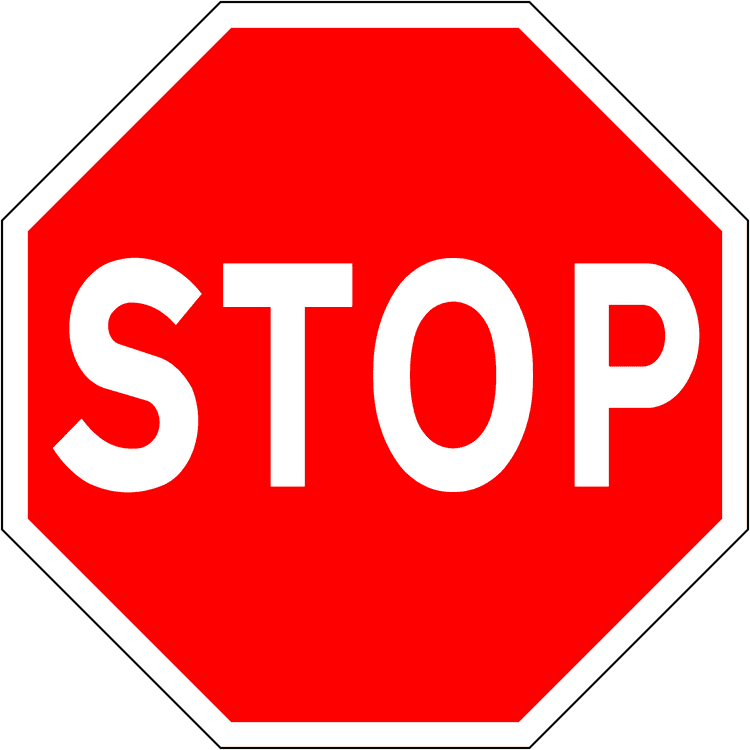
Stop
Mandatory full stop at line.
🚗 Do not proceed until the way is clear.
👀 This is a mandatory instruction, not optional.
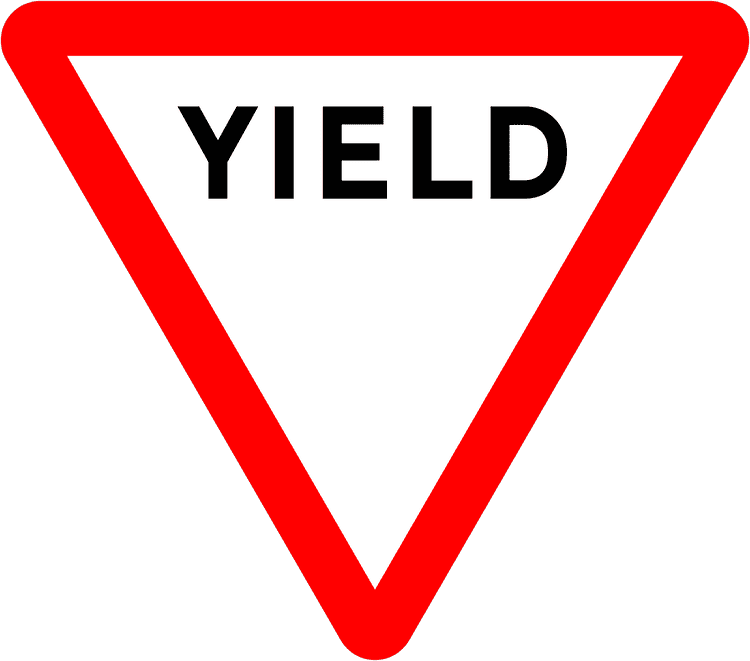
Yield
Give way to traffic on the priority road.
🚗 Let crossing traffic pass before you proceed.
🛑 Be prepared to stop if necessary.
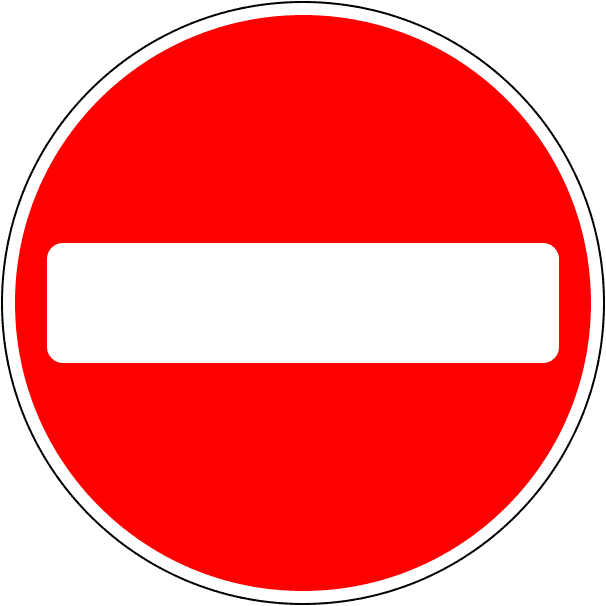
No Entry
All vehicular entry prohibited from this direction.
🚫 Vehicular traffic is prohibited from entering this road.
➡️ This is often used to indicate a one-way street or an exit-only.
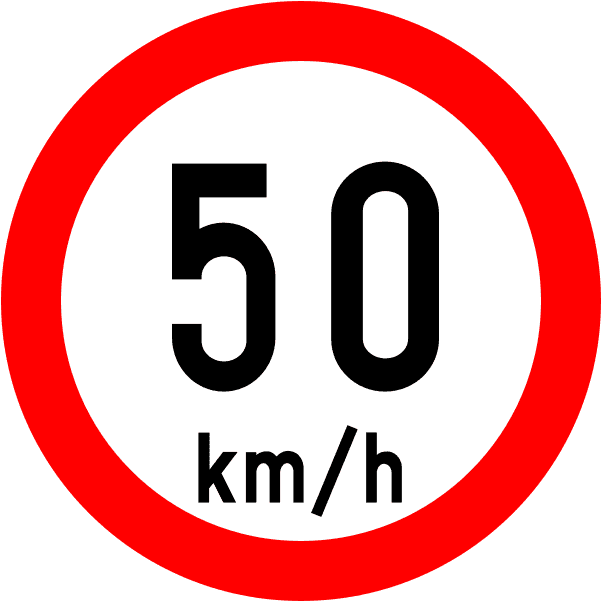
Speed Limit 50 km
Standard urban limit.
🏘️ This is the standard speed limit in built-up areas unless otherwise indicated.
🚗 Do not exceed this speed.
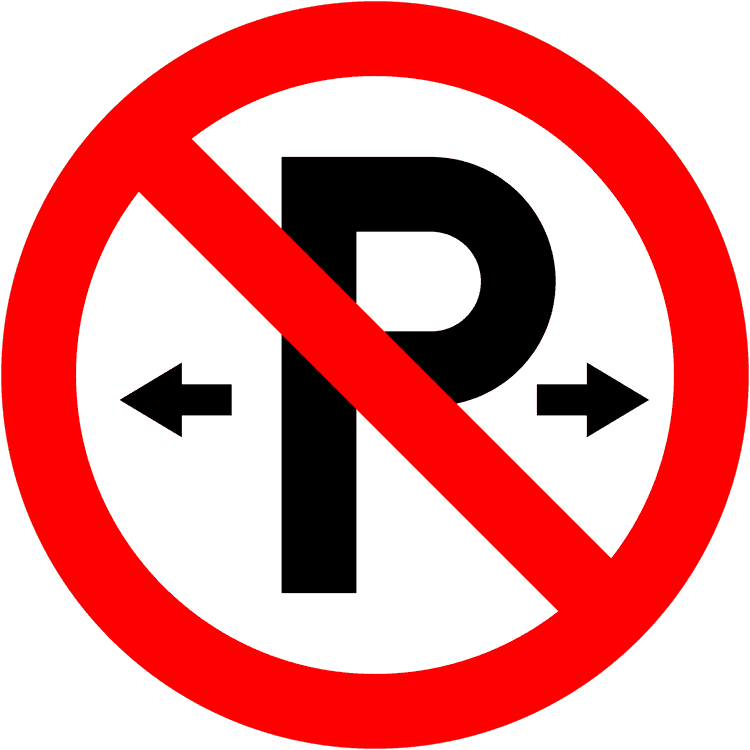
No Parking
No Parking regulatory sign in Ireland. This mandatory traffic sign prohibits parking in the marked area. Violating this can result in parking fines, vehicle towing, or loss of driving test marks during the practical examination.
⏰ Restrictions may apply at certain times, as shown on a supplementary plate.
🚗 You may be allowed to stop briefly to pick up or drop off passengers.
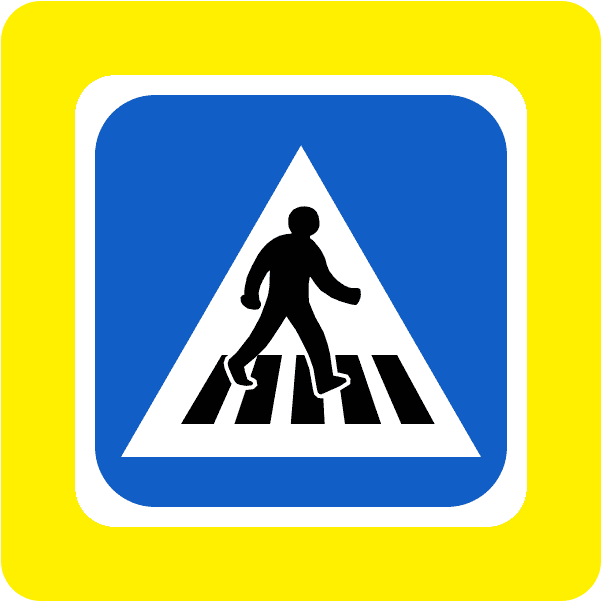
Pedestrian Crossing
Marked crossing where pedestrians have priority when on crossing.
🛑 You must give way to pedestrians who are on the crossing.
🐢 Approach with caution and be prepared to stop.
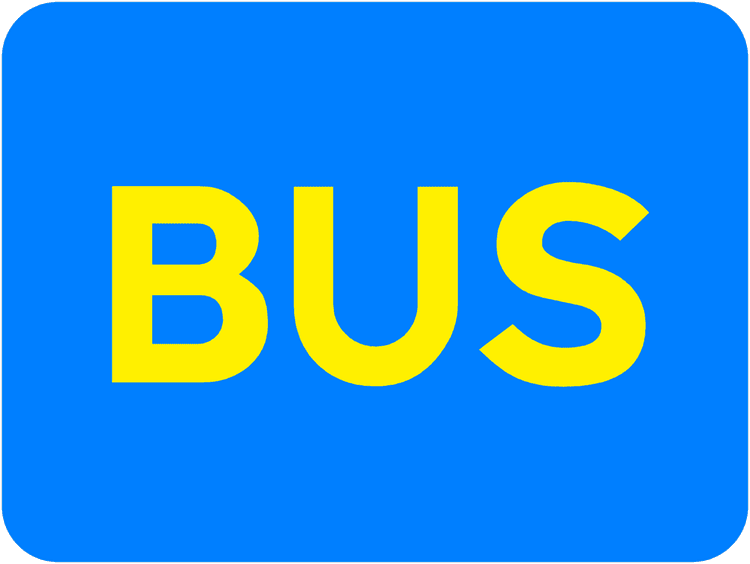
Bus Stop
Designated stopping area for buses.
🅿️ Do not park or stop your vehicle here, as it will obstruct the bus.
🚶 Be aware of passengers getting on or off the bus.
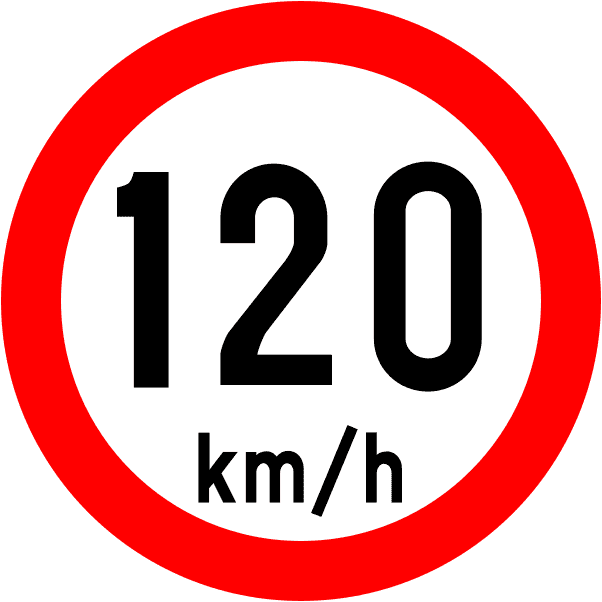
Speed Limit 120 km
Maximum legal speed 120 km/h.
🚗 This is the highest speed limit and applies only to motorways.
🛣️ Do not exceed this speed.
Warning Signs and Meanings
Warning signs inform drivers of upcoming hazards, pedestrian zones, animal crossings, or changes in road layout that require careful driving. In Ireland, warning signs are uniquely characterized by their yellow diamond design with a black border and symbols. Understanding these signals is a key component of defensive driving.
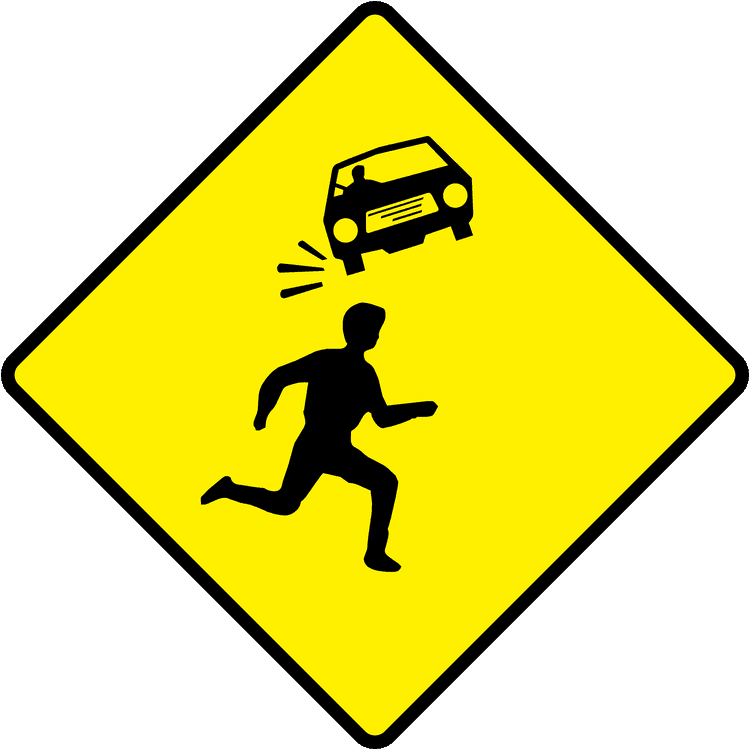
Children Crossing
High likelihood of children crossing (school/play area proximity).
🏫 Be especially careful near schools and playgrounds.
🐢 Significantly reduce your speed.
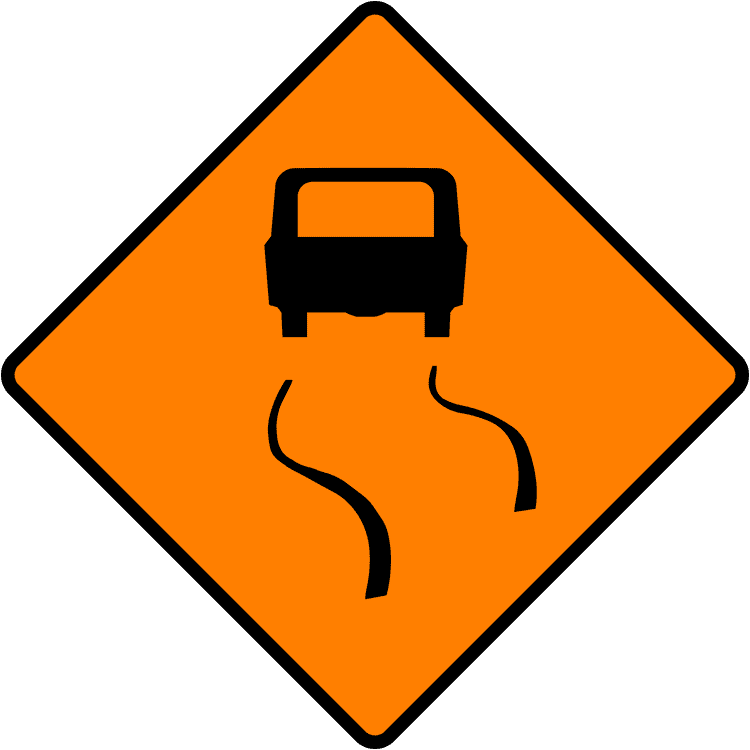
Slippery Road
Low friction surface (wet, polished, icy or contaminated).
🐢 Slow down and avoid sudden braking or sharp turns.
↔️ Increase your following distance from the vehicle in front.
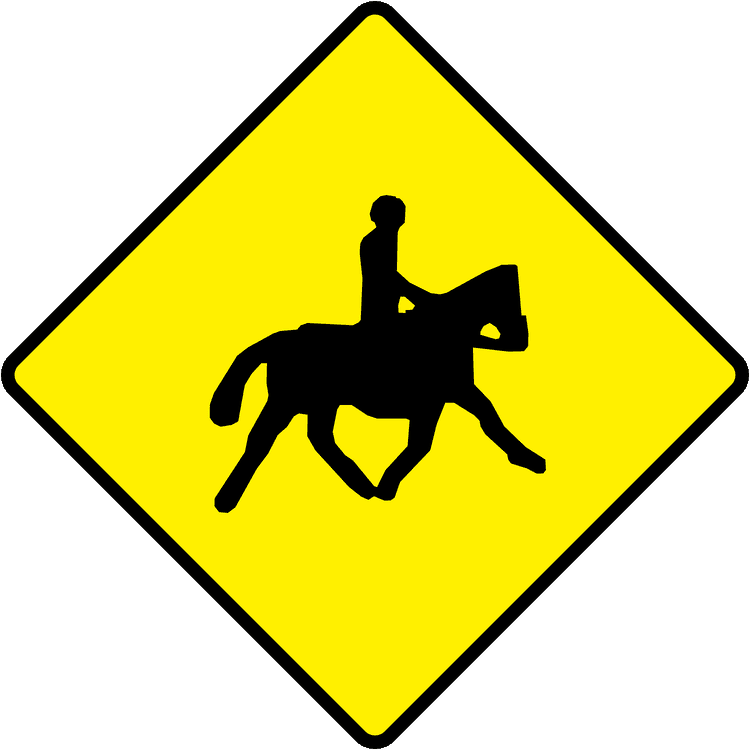
Accompanied Horses
Accompanied Horses warning sign in Ireland. This traffic sign alerts drivers that horses (ridden or led) may be on or crossing the road ahead. Horses can react unpredictably to traffic, requiring drivers to reduce speed and give them ample space.
🤫 Avoid sudden movements or loud noises.
🐎 Give priority and plenty of space to horses and handlers.
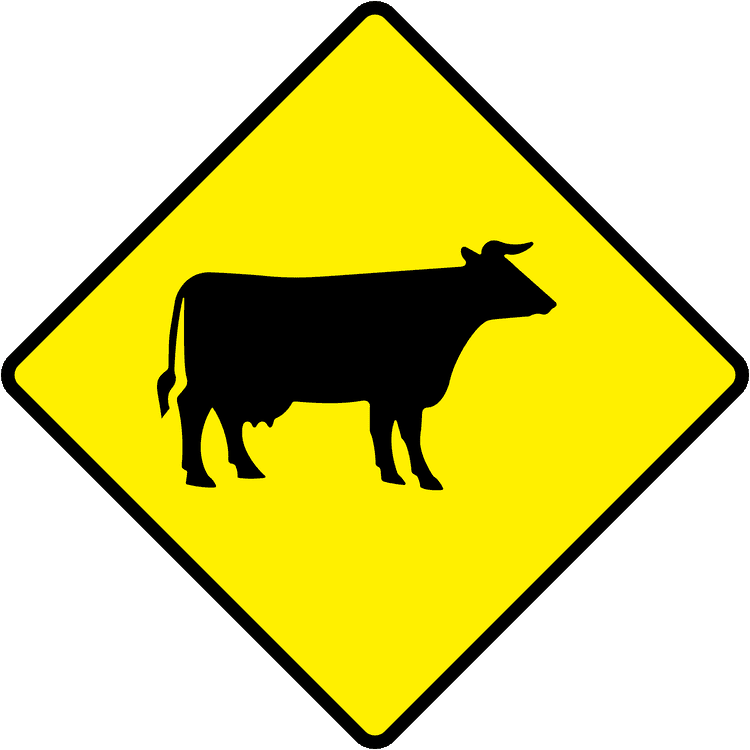
Cattle or Farm Animals
Farm animals may be walking, crossing, or standing on the carriageway.
🐢 Reduce your speed and be cautious.
🛑 Be prepared to stop to give way to animals.
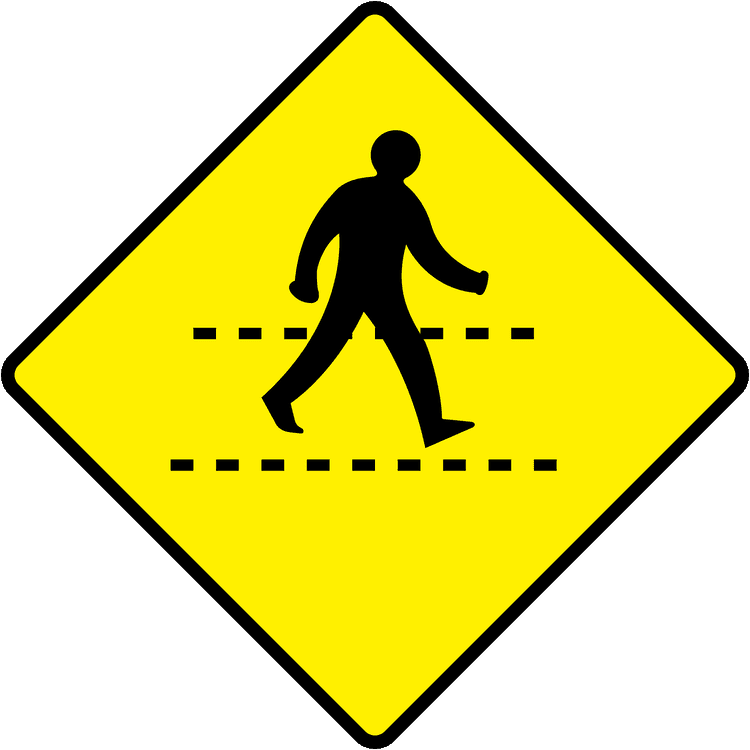
Pedestrians Crossing
Increased likelihood of pedestrians crossing ahead.
🛑 Be prepared to slow down or stop.
👀 Watch carefully for people on or near the road.
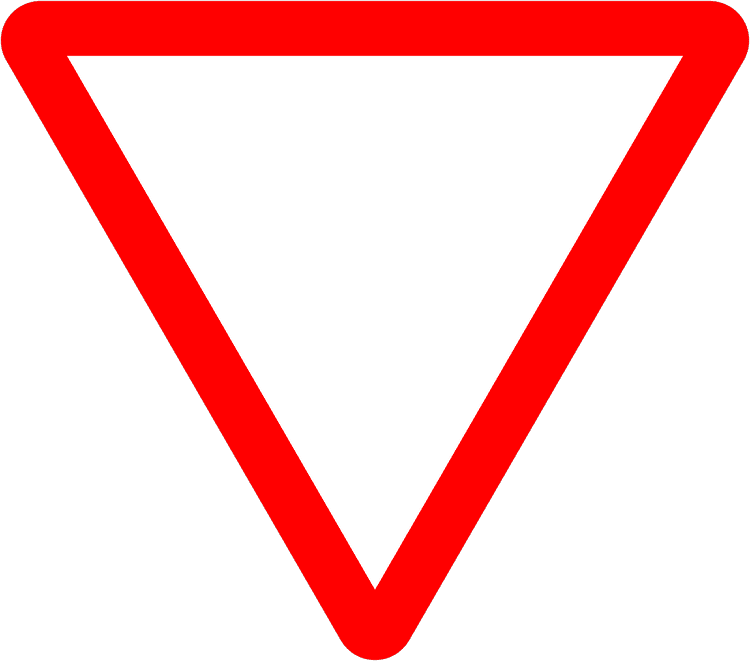
Yield Ahead
Advance notice of a yield sign.
🚗 This sign gives advance warning of a 'Yield' line.
🐢 Slow down and be ready to stop if necessary.

Barrier Board - 3 Bars
Start of a taper—lane/shoulder begins narrowing ahead.
🐢 Slow down and merge safely.
👀 Watch out for merging traffic.
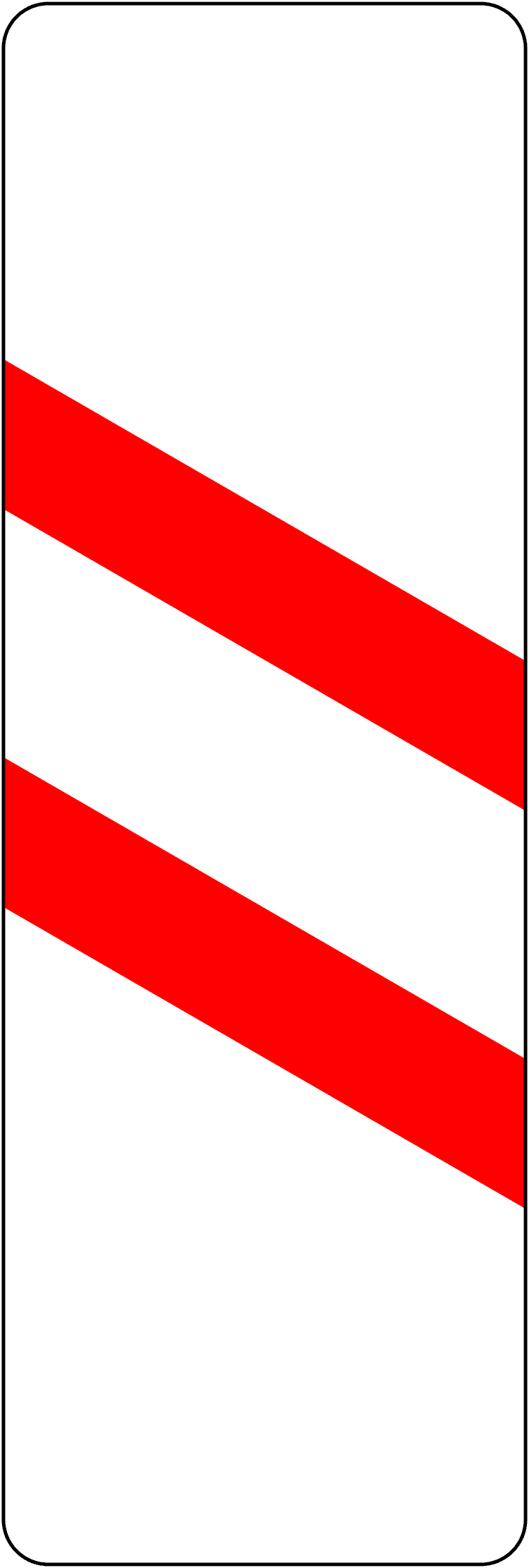
Level Crossing Countdown Marker (200 m)
200 m to protected/unprotected level crossing.
📏 This marker is 200 metres from the crossing.
🐢 Prepare to slow down and possibly stop.
Roadwork Signs and Meanings
Roadwork and temporary signs indicate lane restrictions, detours, speed reductions, and hazards in construction or maintenance zones. Characterized by their orange or yellow backgrounds, these signals require drivers to exercise extreme caution, watch for road workers, and prepare to merge or stop safely.
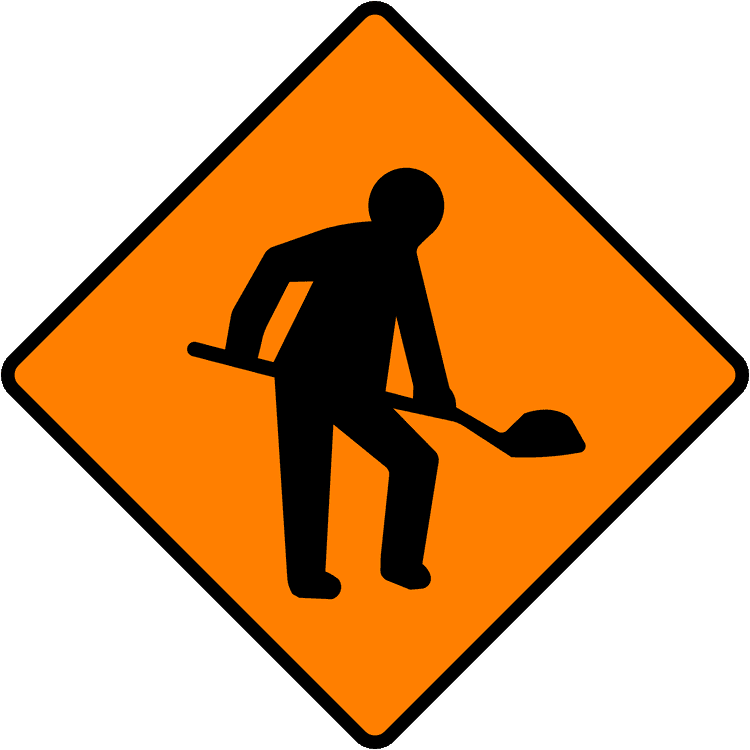
Roadworks Ahead
Active or upcoming roadworks zone.
🐢 Be prepared to slow down.
👀 Watch for temporary signs, speed limits, and workers.
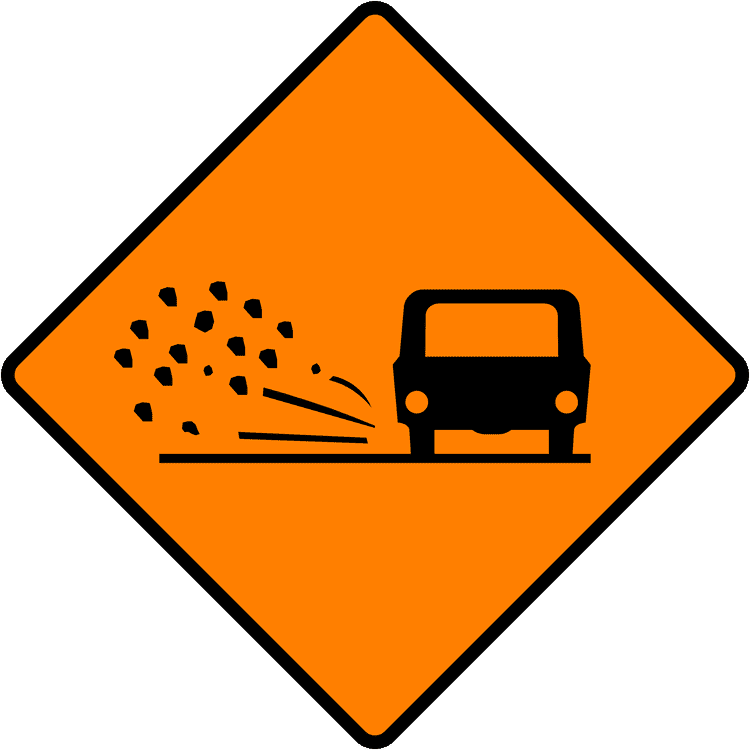
Loose Chippings
Loose aggregate on surface can reduce grip and cause damage.
🐢 Reduce your speed to avoid skidding or losing control.
🚗 Keep your distance from other vehicles to prevent damage from flying stones.
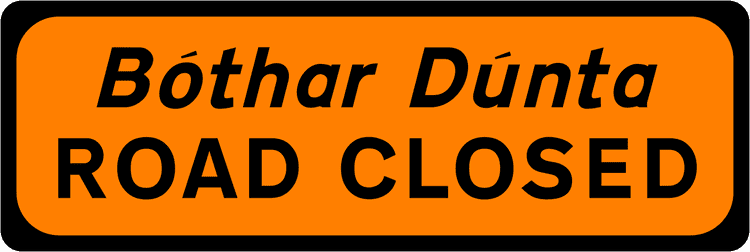
Road Closed
Full closure ahead no through traffic.
🗺️ You must use a detour or find an alternative route.
🛑 Do not proceed past this sign.
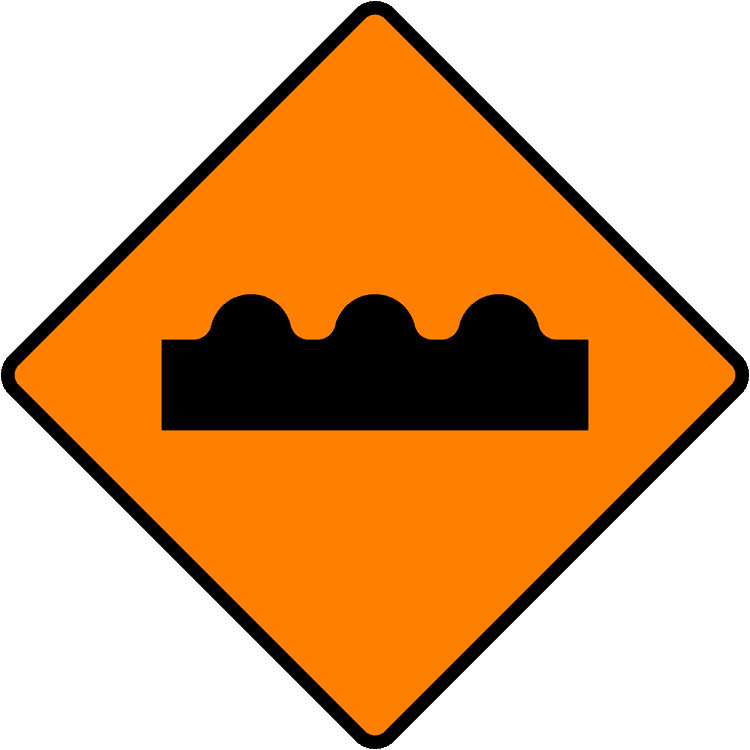
Uneven Surface
Temporary irregular surface present.
🐢 Reduce your speed to maintain control and for comfort.
🚗 Be aware of potential bumps and dips.
Slippery Road
Temporary works surface reduces tyre grip.
🐢 Slow down and avoid sudden braking or steering.
↔️ Increase your following distance.
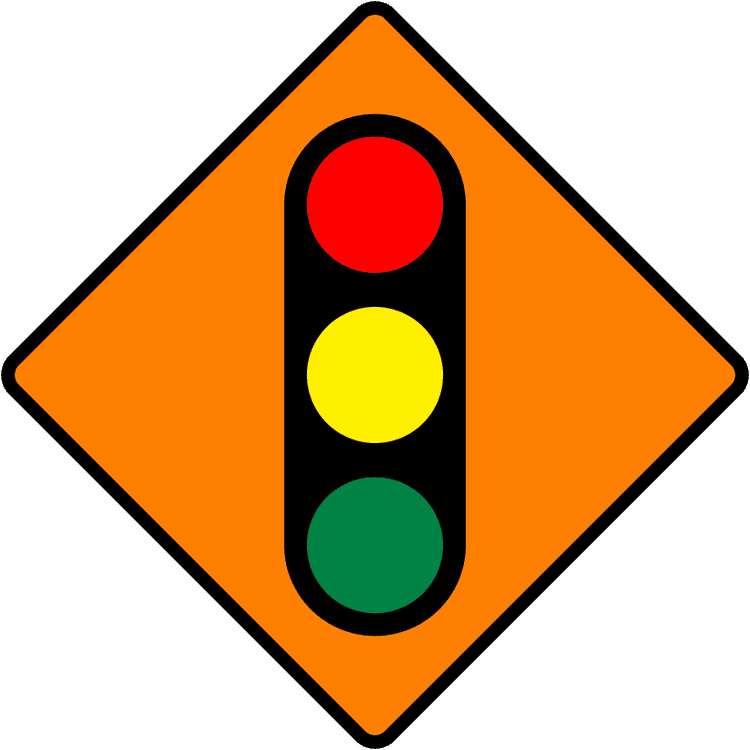
Temporary Traffic Signals
Portable lights controlling flow.
🛑 Be prepared to stop if the light is red.
🐢 These are used to control traffic flow through the roadworks.
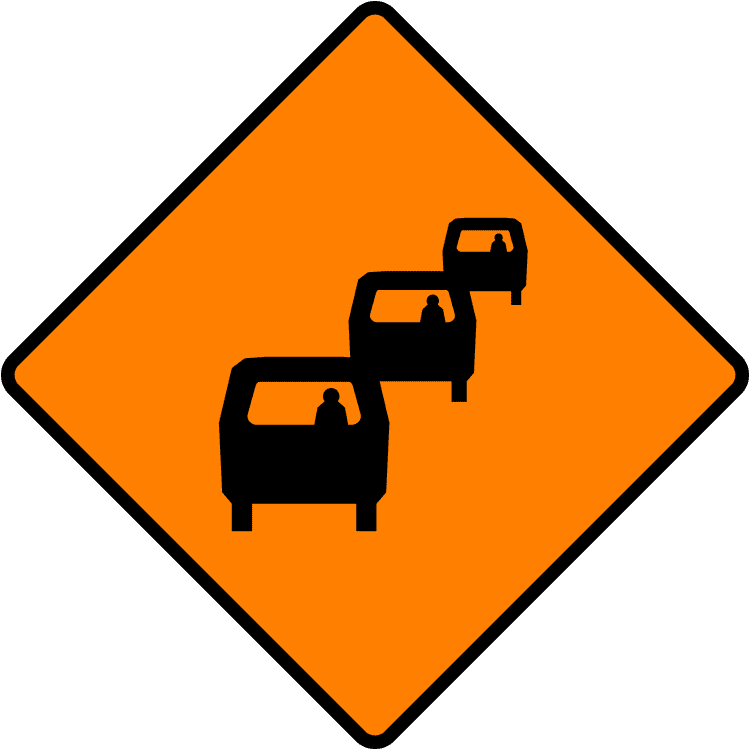
Queues Likely
High probability of queueing through works zone.
🛑 Be prepared for slow-moving or stationary traffic.
↔️ Keep a safe distance from the vehicle in front.
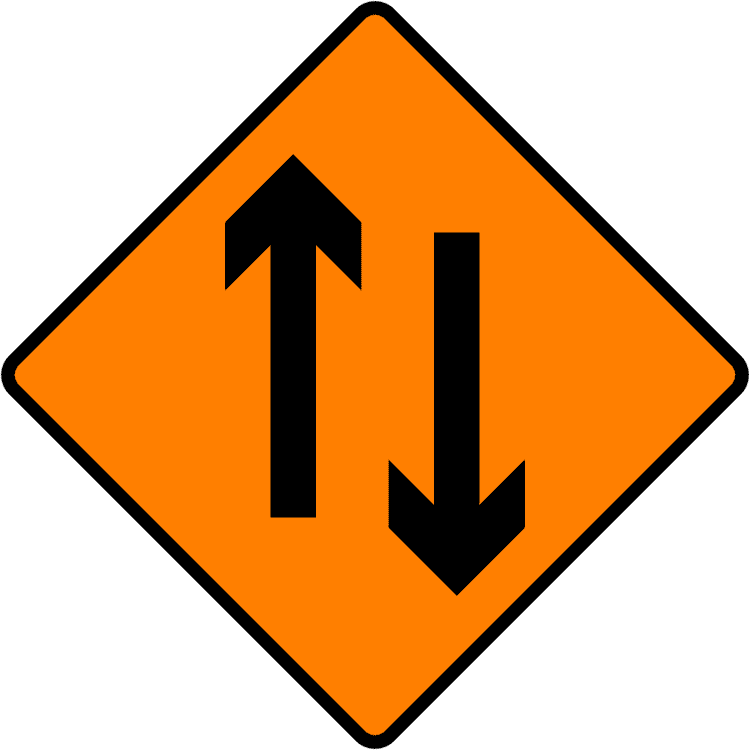
Two-way Traffic
Two-way operation reinstated in works alignment.
🚗 Be aware of oncoming vehicles in close proximity.
🚧 Stay in your lane and proceed with caution.
Supplementary Plates and Meanings
Supplementary plates are mounted below standard regulatory or warning signs to provide additional context. These can include distances, directions, operating hours, specific vehicle class exemptions, or descriptions of hazards ahead such as ice or oil spills.
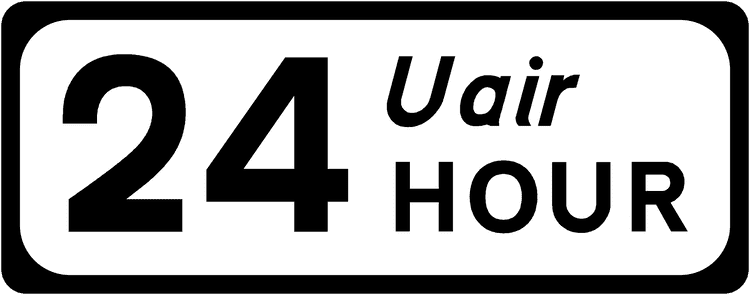
24-Hour Operation
Restriction or rule applies continuously day and night.
☀️ It is in effect at all times, day and night.
✅ There are no time-based exceptions to the rule.
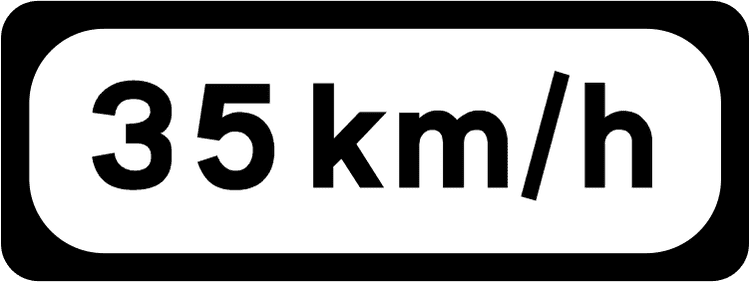
Cautionary Speed
Advisory safe speed for hazard section.
🚗 This is an advisory speed, not a mandatory limit.
⚠️ You should slow to this speed for safety.
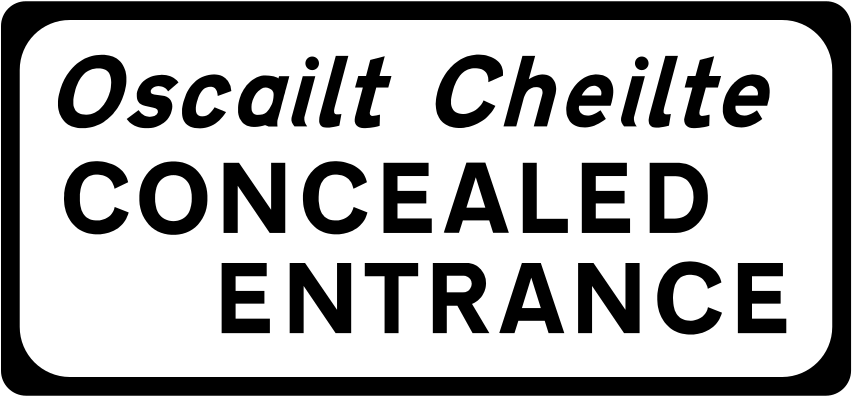
Concealed Entrance
Hidden access where vehicles may emerge unexpectedly.
🚗 Vehicles may pull out into the road with little warning.
🐢 Reduce your speed and be prepared to stop.
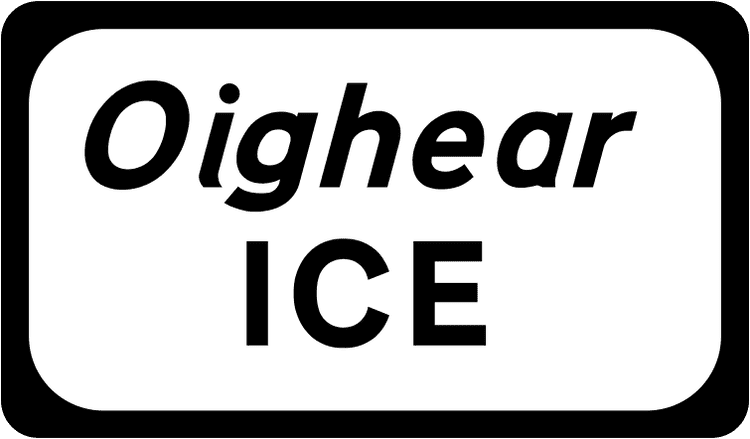
Ice
Risk of icy surface reducing tyre grip.
🐢 Slow down significantly and avoid harsh braking or steering.
🚗 Often placed with a 'Slippery Road' sign in winter.
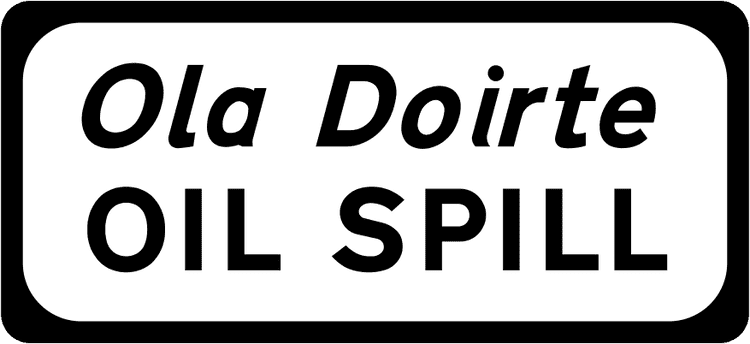
Oil Spill
Possible oil contamination reducing surface friction.
🚗 This can make the road extremely slippery.
🐢 Reduce speed and avoid sudden manoeuvres.
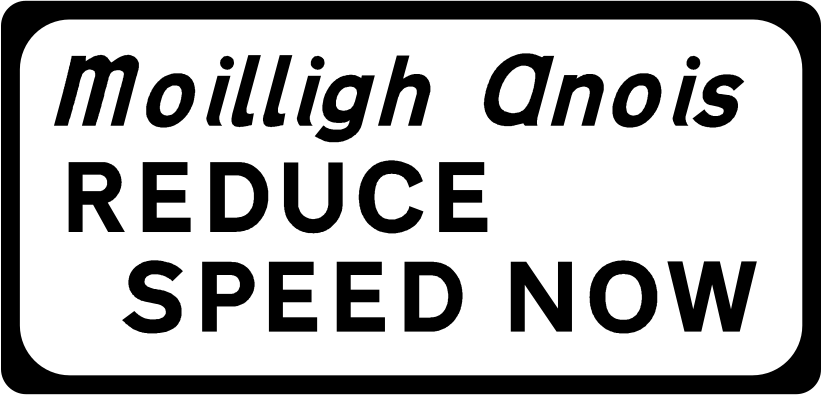
Reduce Speed Now
Immediate speed reduction required.
🐢 There is a hazard directly ahead.
🚗 Do not wait to slow down.
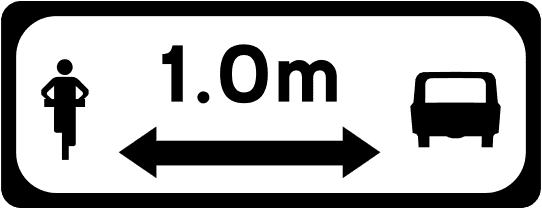
Safe Overtaking of Cyclists 1.0m
Advises minimum 1.0 m lateral clearance when passing cyclists.
🚴 This applies on roads with a speed limit of 50 km/h or less.
🚗 Give cyclists room for safety.
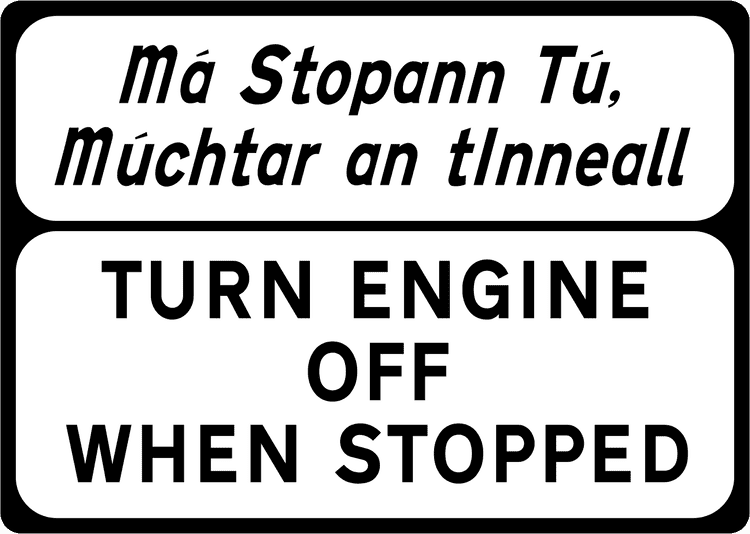
Turn Off Engine When Stopped
Requirement to shut engine while stationary.
🌿 This is usually for environmental reasons, e.g., in tunnels or near schools.
🚗 Helps reduce air pollution.
Others Signs and Meanings
This category covers a variety of general information, route guidance, motorway, and service indicators. From motorway entry markers and disabled parking spaces to hospital direction signs and airport guides, these signs help drivers navigate Ireland's roads smoothly.
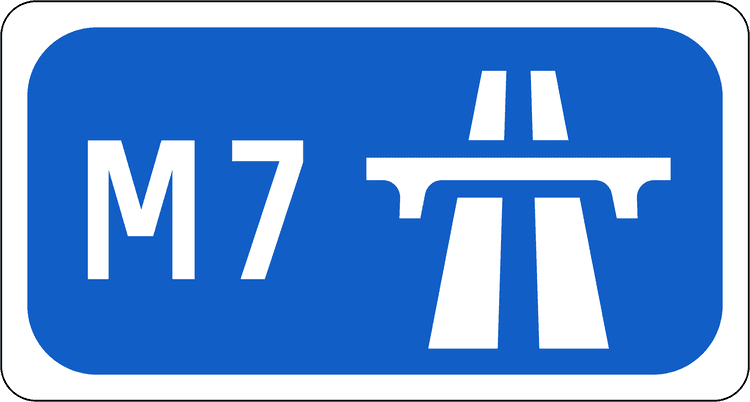
Start of Motorway
Entry point to motorway controlled access.
🛣️ Special motorway regulations and speed limits apply from this point.
⛔ Prohibited traffic (e.g., pedestrians, learner drivers) must not enter.
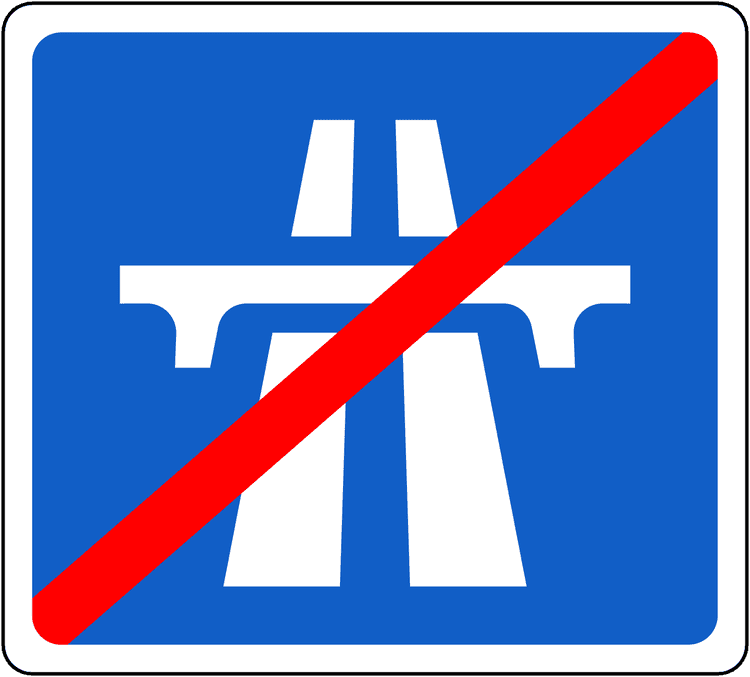
End of Motorway
Motorway regulations cease here.
🛣️ Motorway regulations and restrictions no longer apply.
🐢 Be prepared for a change in speed limit and road conditions.
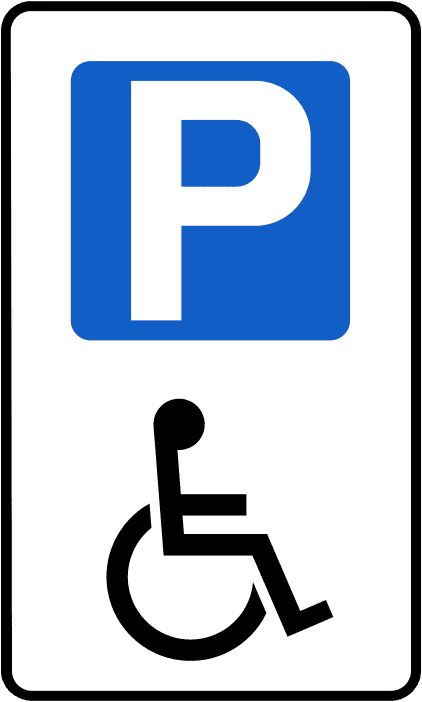
Disabled Persons' Parking
Reserved bay for vehicles with permit.
🎫 Must display EU Disabled Parking Card or Irish Primary Medical Certificate.
🚫 Unauthorized parking results in significant penalties and potential vehicle removal.
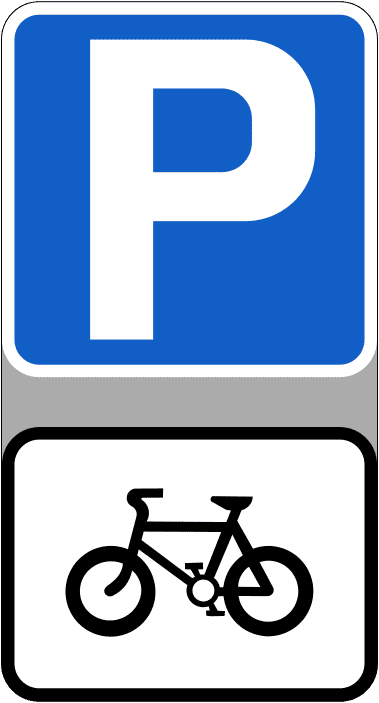
Cycle Parking
Designated bicycle parking facility.
🅿️ Cyclists can securely leave their bikes here.
📍 Often found near public transport and amenities.
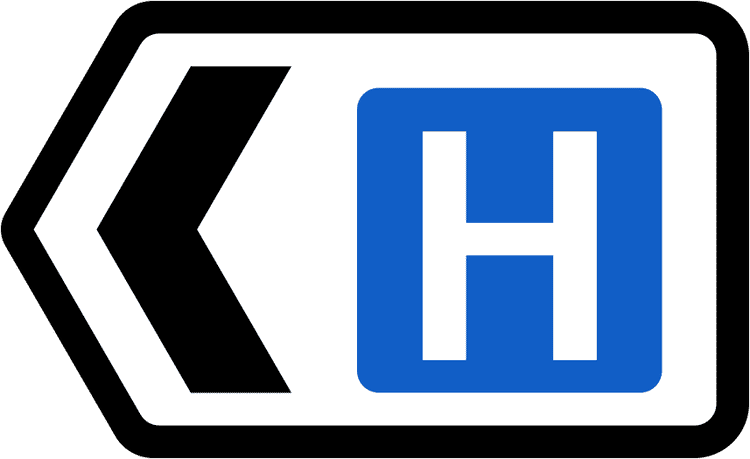
Hospital Direction Sign
Direction arrow toward hospital.
➡️ Follow the arrow to get to the medical facility.
➕ Often marked with a red cross.
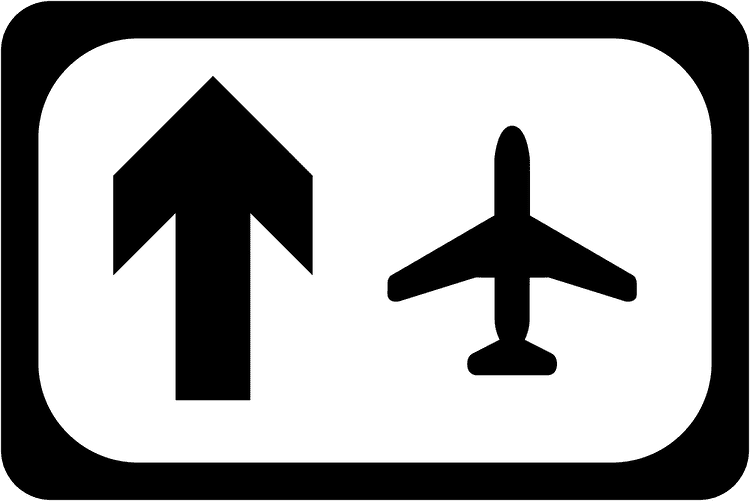
Airport Advance Direction
Advance sign guiding toward airport route.
🗺️ Helps you get into the correct lane early.
➡️ Follow the signs to ensure you take the correct exit.
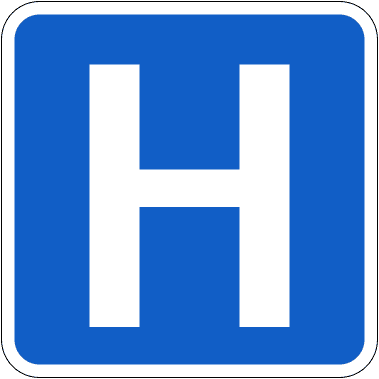
Hospital
Hospital located nearby.
🚗 Be aware of ambulance traffic in the area.
🤫 Drive quietly and respectfully.
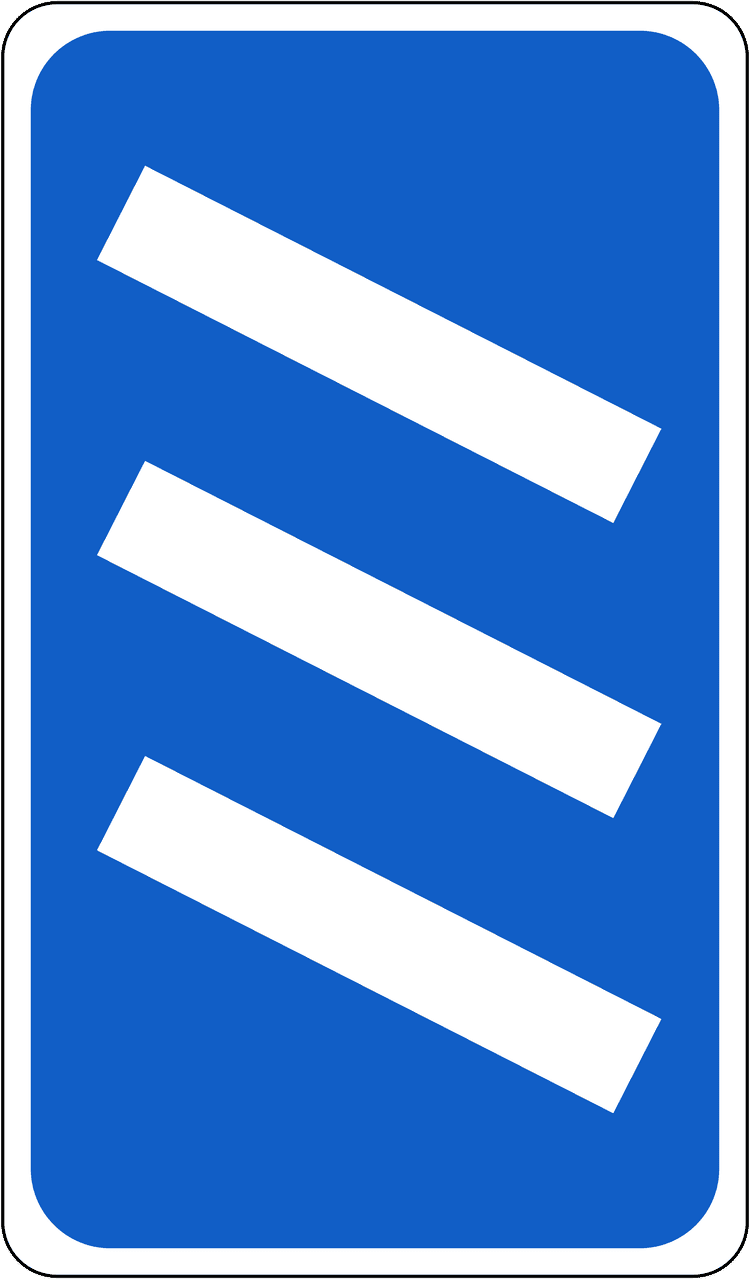
Countdown Marker (motorway, 300m)
300 m advance exit or hazard notice.
📏 This marker is 300 metres from the start of the exit slip road.
↘️ This is the first warning for the upcoming exit.
Frequently Asked Questions
Find answers to the most common queries about traffic sign shapes, rules, and penalties.
What is the most common road sign in Ireland?
The Stop sign (regulatory) and Yield sign (known as Géill Slí in Irish) are the most critical and common regulatory signs. For warning signs, Children Crossing (school zones) and Roadworks Ahead are widely encountered in urban and rural networks alike.
What shape are Irish warning signs?
Irish warning signs are diamond-shaped with a yellow background, black border, and black symbols. This design differs from the triangular, red-bordered signs used in the UK and mainland Europe.
What is the penalty for ignoring traffic signs in Ireland?
Ignoring critical regulatory signs (such as a speed limit, Stop sign, or No Entry) typically carries an automatic 2 to 3 penalty points and an €80 Fixed Charge Notice fine. Serious infractions that cause an accident can escalate to Careless or Dangerous Driving charges, resulting in up to 5 penalty points, up to €5,000 in fines, and driving disqualification.
How many categories of road signs exist in Ireland?
Under road traffic regulations, traffic signs are divided into five main classifications:
- Regulatory Signs: Circular, red-bordered or blue-filled signs indicating mandatory instructions or prohibitions.
- Warning Signs: Yellow diamond-shaped signs alerting drivers to road hazards ahead.
- Roadwork Signs: Orange or yellow temporary construction hazard warnings.
- Supplementary Plates: Small placards mounted below signs providing extra context like distance, direction, or specific times.
- Others Signs: Motorway signs, general information, route guidance, and parking services.
Ready to Pass Your Irish Driver Theory Test?
Do you know your road signs and meanings inside out?
Take our comprehensive learning experience on the go. Download our free mobile app for offline study, visual flashcards, custom bookmark collections, and progress diagnostics that ensure you pass your driving test on the very first try.
