Preparing for your practical driving test in Ireland can feel overwhelming, especially when it comes to the strict road rules. One of the most critical parts of the test is demonstrating a flawless understanding of traffic signs. According to the Road Safety Authority, the national average pass rate for the practical driving test is approximately 53% (RSA Pass Rate Statistics, 2025). During your test, any failure to recognize or obey a regulatory sign will result in an immediate fail. By understanding how the examiner scores sign violations and practicing defensive recognition strategies, you can significantly increase your chances of passing.
Key Takeaways
- 🛑 Grade 3 is an instant fail: Disobeying regulatory signs (such as Stop, Yield, or Speed Limits) is a Grade 3 fault (dangerous or illegal action), causing an immediate test failure.
- 📊 Pass rates vary by centre: Dublin test centres average lower pass rates (Finglas 48%, Mulhuddart 49%) compared to regional centres like Kilkenny (62%) (RSA, 2025).
- 🗣️ Verbal sign checks start the test: Before driving, the examiner will show you illustrations of traffic signs and ask you to explain their meanings.
- 🔍 Scan 10 seconds ahead: Spotting signs early gives you time to check your mirrors, adjust your speed, and execute commands without harsh braking.
How the RSA Scoring System Works
During the practical test, the examiner records faults under three categories: Grade 1, Grade 2, and Grade 3. Grade 1 faults are minor issues, such as poor posture, and do not directly affect your test result. Grade 2 faults are more serious, representing a clear driving error, such as failing to check your blind spot before moving. You are allowed up to 8 Grade 2 faults in total, but no more than 4 of the same type. Grade 3 faults represent a dangerous or illegal action. Accumulating a single Grade 3 fault results in an immediate automatic test failure.
According to RSA examiners, disobeying a regulatory sign is one of the most common reasons for an instant Grade 3 mark (NDLS, 2026). For instance, rolling past a Stop line without coming to a complete stop, or entering a one-way street through a No Entry sign, is recorded as illegal, ending your pass hopes on the spot.
The Verbal Sign Recognition Check
The driving test begins before you even start the engine. While inside the test centre office, the examiner will show you illustration sheets containing common traffic signs. They will ask you to explain the meaning of 4 to 6 of these signs. While this check does not directly result in Grade 2 or Grade 3 marks on the road, failing to identify basic signs displays a clear lack of preparation and starts your test on a negative note.
Critical Traffic Signs for the Driving Test
 Stop
Stop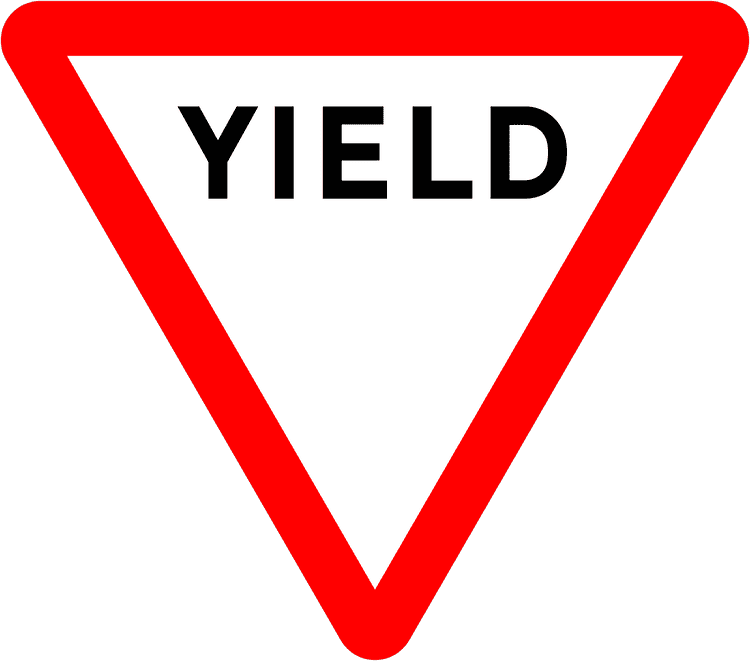 Yield
Yield No Entry
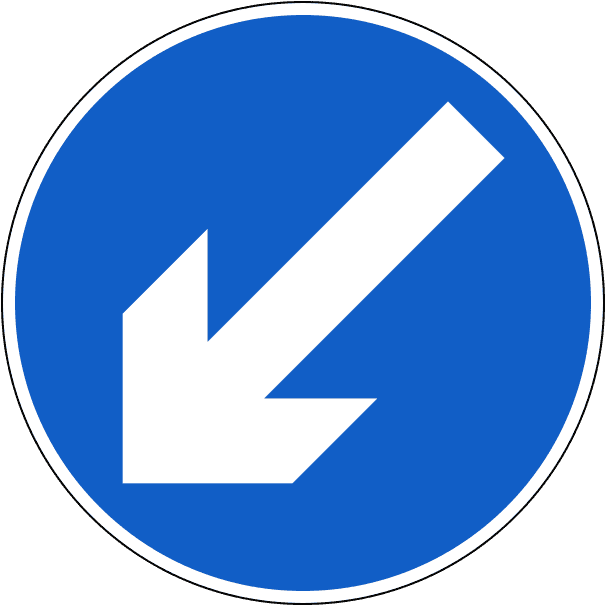 Keep Left
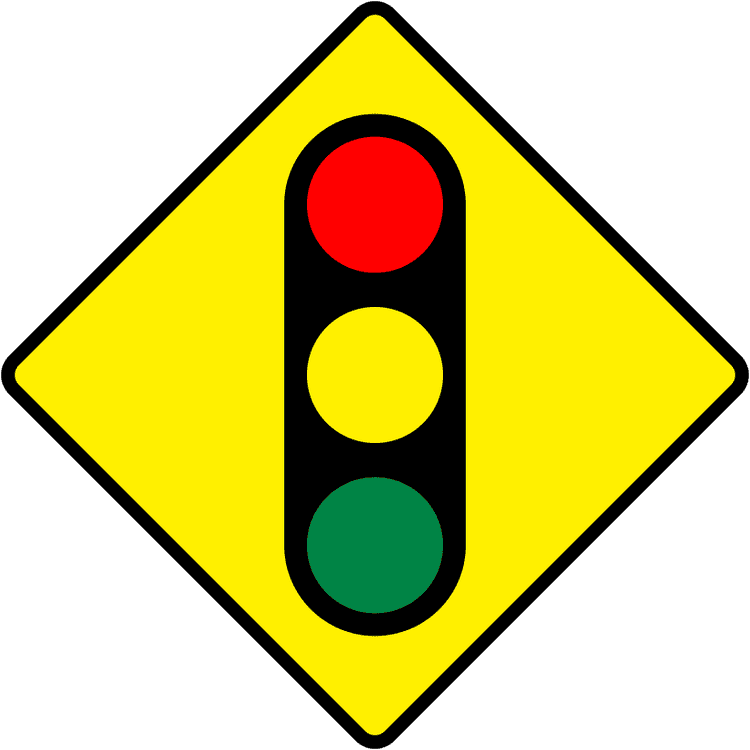 Traffic Signals
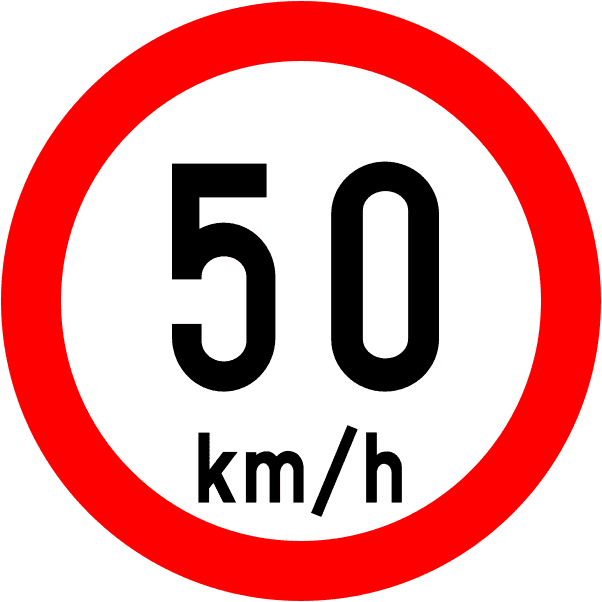 Speed Limit 50 Km
Test day advice
Many candidates panic during the verbal check when shown warning signs with symbols. If you don't know the exact name of a warning sign, remember the shape and color rule: state clearly that it is a warning sign (yellow diamond) and describe the symbol. Examiners value practical safety understanding over memorizing exact regulatory phrasing.
Critical Sign Violations on the Practical Test
Once on the road, you must show that you can translate sign recognition into safe driving. A common pitfall is misinterpreting the difference between a Stop sign and a Yield sign. A Stop sign (red octagon) requires you to bring the vehicle to a complete stop behind the white stop line, check for traffic, and then proceed when clear. Even if the junction is completely empty, you must stop completely: a slow rolling stop is a Grade 3 fault. A Yield sign (inverted red-bordered triangle) only requires you to slow down and prepare to yield: you do not need to stop if the road is clear.
Speed limit signs (red-bordered circles with numbers) are another test hotspot. If you enter a 50 km/h zone and fail to reduce your speed, or if you drive too slowly in normal traffic, the examiner will mark a fault. You must adjust your speed promptly as you pass the sign, never before checking your mirrors (Garda.ie, 2026).
Test Centre Pass Rates: Urban vs. Regional
Succeeding on your driving test also depends on where you take it. RSA annual reports reveal significant variations in pass rates across Irish test centres. Urban centres in Dublin, such as Finglas (48%) and Mulhuddart (49%), have lower pass rates due to heavy traffic, complex multi-lane roundabouts, and high pedestrian density. In contrast, regional centres like Kilkenny (62%) or Sligo (58%) consistently report higher pass rates. This discrepancy highlight the need for local practice: you must familiarize yourself with the specific test routes and junctions surrounding your chosen centre.
RSA Driving Test Pass Rates by Select Test Centres
Source: RSA Annual Test Centre Pass Rates & Road Safety Authority, 2025
Strategies to Scan and Obey Signs Under Pressure
The key to passing is keeping a calm, methodical approach on test day. Use a systematic scanning pattern: check your mirrors every 8 to 10 seconds, then scan the road ahead for upcoming signs. When you spot a speed limit or warning sign, verbalize your actions if it helps you focus: saying "approaching a 50 km/h zone, checking mirrors, slowing down" shows the examiner that you are actively responding to road conditions.
Give yourself space behind other vehicles so they do not block your view of road signs. Most importantly, practice driving on the actual roads surrounding your local test centre so that you know exactly where the tricky roundabouts, speed limit changes, and stop signs are located.
Conclusion
Passing the RSA driving test is a matter of preparation and consistency. If you memorize the sign shapes and colors, practice stopping completely at junctions, and scan the road ahead, you will build the safety habits that driving examiners want to see. Respect the road rules, stay focused, and you will earn your full Irish driving licence.
Frequently Asked Questions
What are the different fault grades in the RSA driving test?
The RSA driving test uses three fault grades: Grade 1 (minor, does not affect result directly), Grade 2 (more serious, you can have up to 8 of these, but no more than 4 of the same type), and Grade 3 (dangerous or illegal action, resulting in an immediate automatic fail).
How does failing to obey a stop sign affect my driving test?
Failing to stop completely at a Stop sign is a serious violation of road rules and is classified as a Grade 3 fault during the practical test. This results in an immediate automatic fail.
What is the verbal sign check during the Irish driving test?
At the start of the test, the examiner will show you illustrations of common traffic signs and ask you to explain their meaning. Misidentifying signs shows a lack of theoretical knowledge and starts your test on a poor note.
What is the national average pass rate for the driving test in Ireland?
The national average pass rate is approximately 53%. However, pass rates vary significantly by test centre, with some Dublin centres like Finglas and Mulhuddart averaging below 49%, while regional centres often score higher.