Navigating the Irish road network safely requires a clear understanding of its traffic signs. Whether you are a learner driver preparing for the RSA driving test, a visitor touring the country, or an experienced motorist brushing up on rules, knowing these signs is a legal necessity. According to RSA driving test statistics, failure to recognize or obey traffic signs accounts for 18% of all grade 3 automatic test failures (RSA Failure Analysis, 2025). In addition, Garda enforcement statistics for 2026 indicate that ignoring regulatory signs (like No Entry and Stop signs) is among the leading causes of intersection accidents. This guide breaks down the 20 most critical signs, their meanings, and the associated penalties.
Key Takeaways
- 🛑 Regulatory signs are circular: Circular signs with red borders command what you must not do. Ignoring them carries immediate fines and penalty points.
- 🔶 Warning signs are diamond-shaped: Yellow diamonds warn of permanent hazards, while orange diamonds warn of temporary roadworks conditions.
- 🔵 Mandatory signs are blue circles: These signs issue positive commands, such as Keep Left or Turn Left, which are legally binding.
- 📈 Sign violations cause test failure: Failing to yield or stop at posted signs is a Grade 3 fault, resulting in an automatic fail on your driving test.
Why Traffic Signs Matter
Traffic signs are the primary method of communication between road authorities and drivers. They are designed to manage traffic flow, prevent collisions, and warn of upcoming road hazards. In Ireland, signs are categorized into three main types: Regulatory, Warning, and Information. Under the Irish Road Traffic Acts, failing to obey a regulatory sign is a motoring offense that can result in penalty points, fines, and a court conviction (Citizens Information, 2026).
Early observation is key. Safe driving requires looking 15 to 20 seconds ahead to spot signs early. By adjusting your speed and lane position before reaching a sign, you maintain vehicle control and demonstrate defensive driving skills.
Traffic Sign Examples
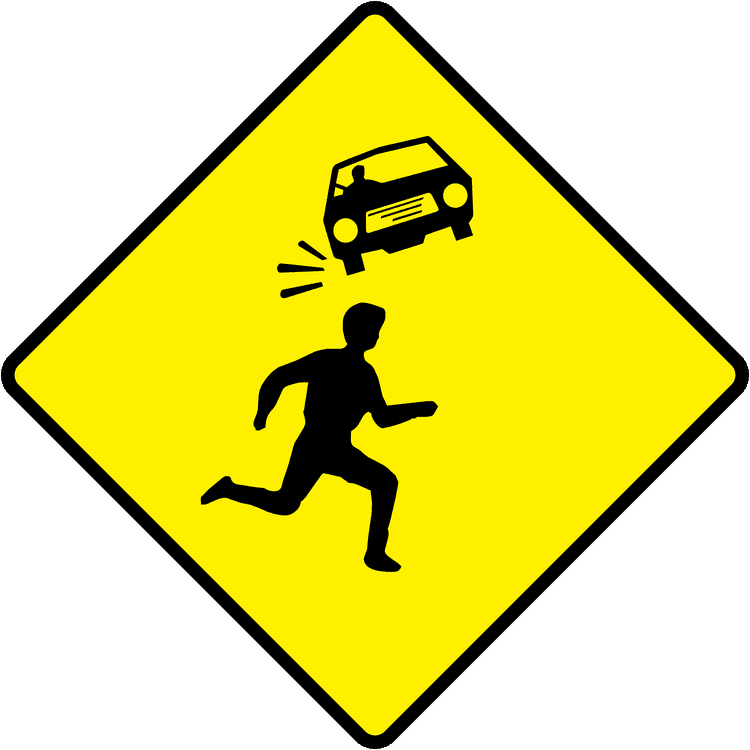 Children Crossing
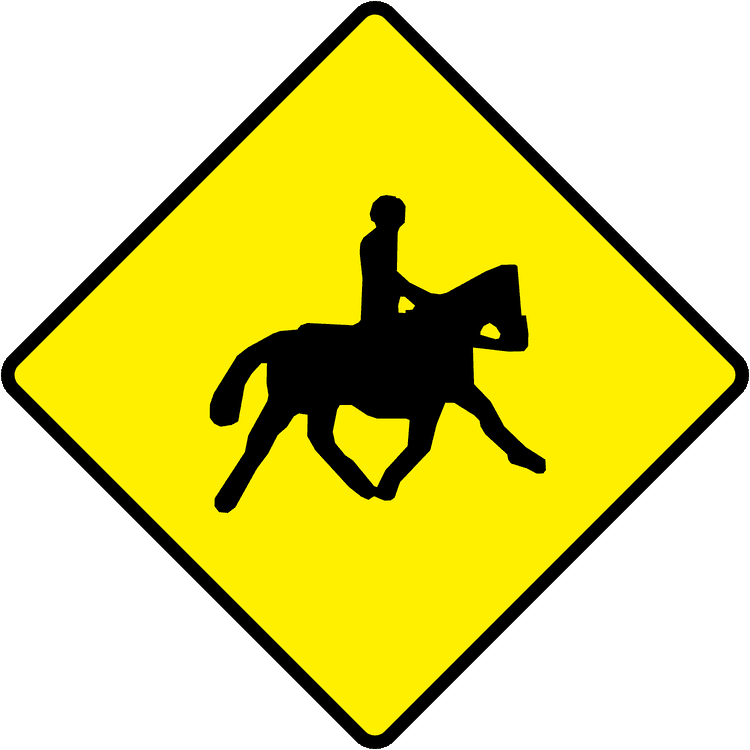 Accompanied Horses
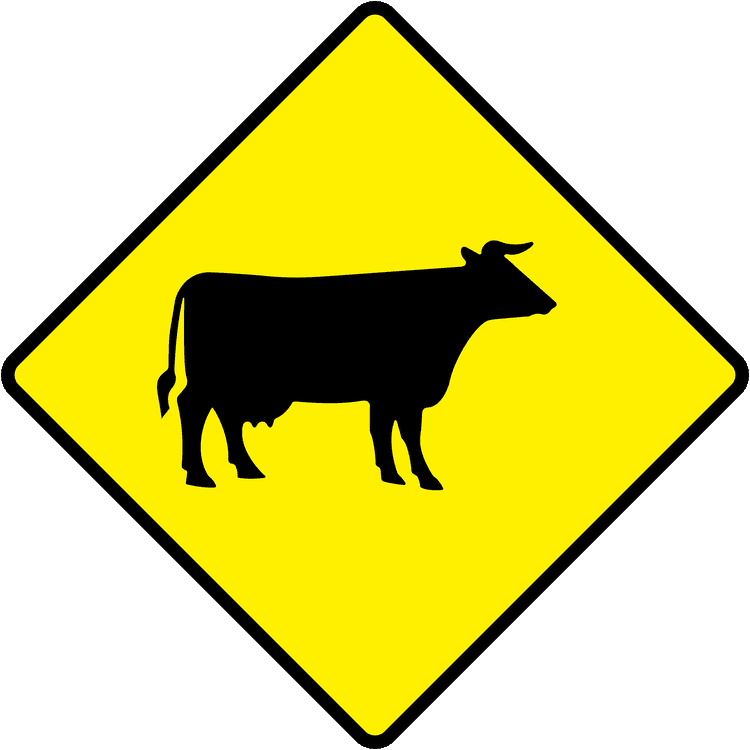 Cattle Or Farm Animals
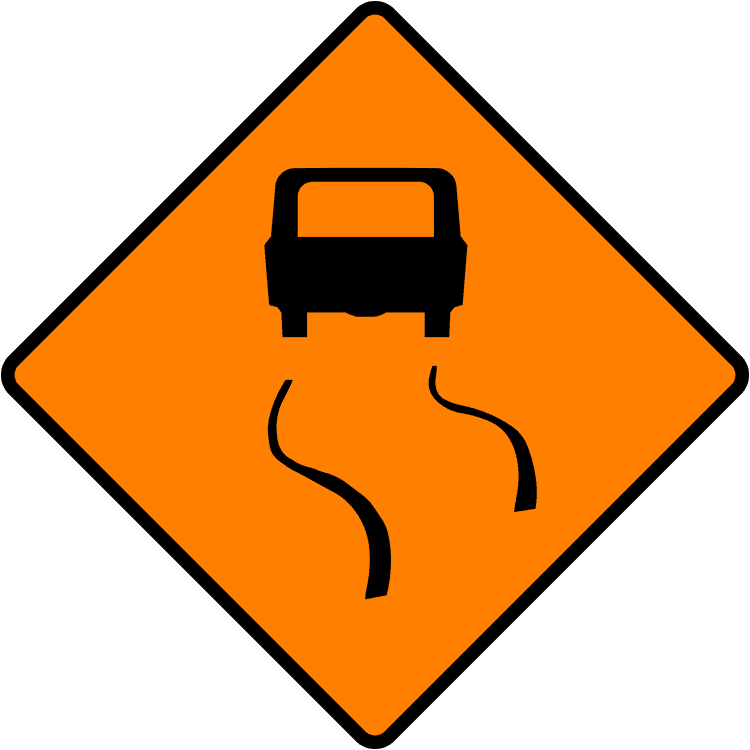 Slippery Road
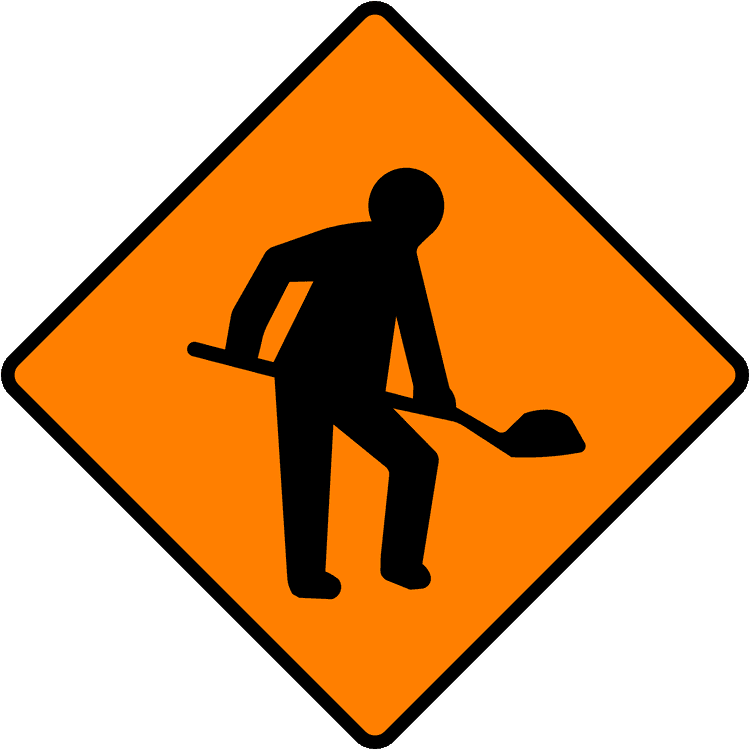 Roadworks Ahead
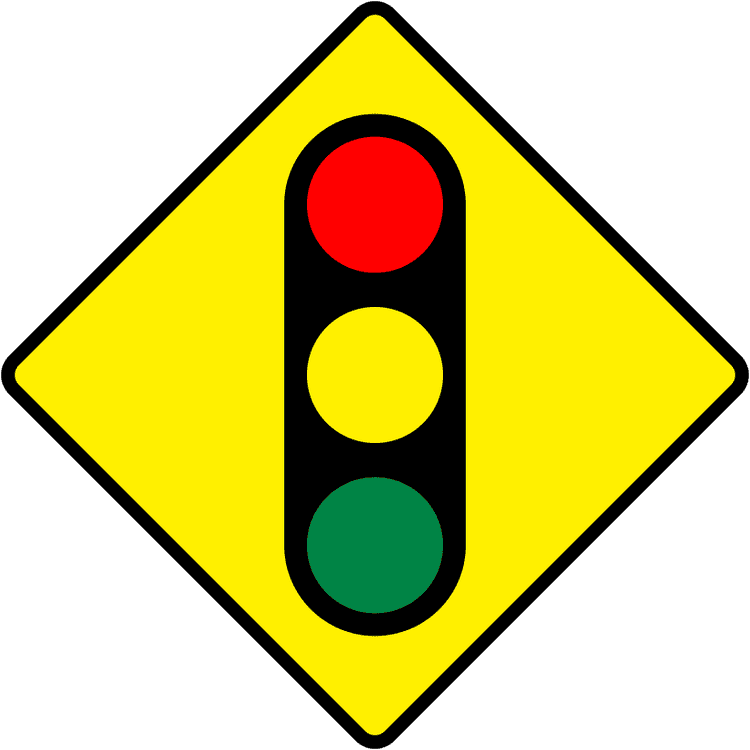 Traffic Signals
The 20 Essential Signs
Let us look at the 20 most important traffic signs you will encounter on Irish roads, grouped by their regulatory and hazard categories.
1. Regulatory Signs: Prohibitions & Commands
Regulatory signs control the flow of traffic and tell you what you must or must not do. They are legally binding. Most are circular. Prohibition signs (like No Entry or speed limits) have red borders. Mandatory signs (like Keep Left or Turn Right) have a blue background.
2. Mandatory Instruction Signs
Mandatory signs are blue circles with white arrows. They tell you which direction you must travel. These signs are common at roundabouts, dual carriageways, and traffic islands.
3. Warning Signs: Hazard Alerts
Warning signs alert you to hazards ahead. In Ireland, warning signs are yellow diamonds with black symbols. Temporary warning signs used at roadworks have orange backgrounds. They do not issue commands, but you must adjust your speed to maintain safety.
RSA Driving Test Failure Categories (Audit Data)
Source: RSA Test Centre Audit Database & Road Safety Authority, 2025
Preparing for Your Driving Test
On your RSA practical driving test, the examiner will test your knowledge and response to traffic signs. At the start of the test, during the verbal check, the examiner will show you illustrations of common traffic signs and ask you to explain their meaning (NDLS, 2026). Misidentifying a regulatory sign shows a lack of theoretical knowledge and starts your test on a poor note.
During the road test, the examiner will watch how you react to physical signs. Failing to slow down for warning signs or failing to yield at posted intersections is a common cause of failure. Always look ahead, scan for signs, and adjust your driving early.
Continuous Learning
Even experienced drivers should periodically review traffic signs. Road layouts, temporary speed limits, and safety regulations evolve. Staying informed ensures that you drive legally and safely. Respecting traffic signs protects you, your passengers, and other road users.
Conclusion
Mastering these 20 essential traffic signs is the foundation of safe and compliant driving in Ireland. Take the time to understand their shapes, colors, and legal meanings. Your commitment to road safety ensures a safer driving experience for everyone on Irish roads.
Frequently Asked Questions
Why are traffic signs standardized in Ireland?
Traffic signs are standardized in Ireland to ensure all road users, regardless of language or background, can quickly recognize and understand hazard warnings, legal regulations, and directional instructions, thereby promoting road safety.
What shape indicates a warning sign in Ireland?
In Ireland, warning signs are diamond-shaped. Most have a yellow background with a black border and symbol, while temporary warning signs (like roadworks) have an orange background.
How are regulatory signs formatted in Ireland?
Regulatory signs in Ireland are circular. Prohibition signs have a red border on a white background, while mandatory instruction signs have white symbols on a blue background.
What happens if you fail to recognize traffic signs during a driving test?
During the RSA driving test, failing to obey a regulatory traffic sign results in a Grade 3 fault, which is an immediate automatic fail. Failing to respond to warning signs is typically marked as a Grade 2 fault.