AI Summary
Key Takeaways
A compact, citation-friendly overview of LRT Stop.
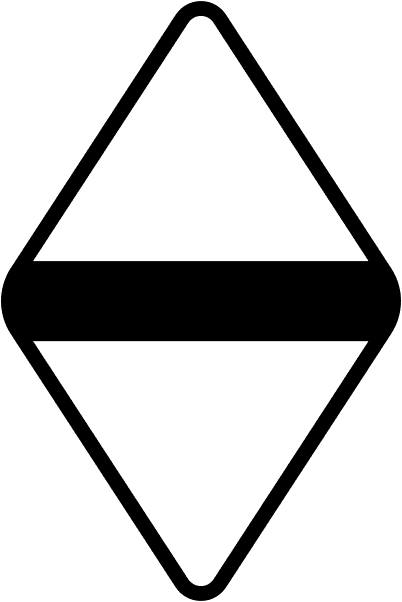
- Meaning: 🚋 Tram drivers must stop at this sign.<br/>🛑 This is a mandatory instruction for trams.<br/>🚗 It does not apply to other vehicles.
- Category: Regulatory Signs
- Action required: This mandatory sign requires Luas tram drivers to bring their trams to complete stops at the sign location regardless of signal aspects, traffic conditions, or operational pressures. The requirement serves specific safety or operational purposes: verifying clearances before entering shared-use junctions, ensuring proper positioning before track switches activate, allowing time for safety system checks at critical boundaries, or enforcing speed reduction at high-risk locations. Tram drivers must stop with the tram nose at or before the sign, verify conditions per operational procedures, then proceed when safe and authorized. Unlike passenger platform stops, these regulatory stops occur even when no passengers board/alight. The sign does not apply to general road traffic—only to Luas trams. However, road users should be aware that trams may stop at unexpected locations for regulatory compliance, and should not assume tram stops always indicate passenger activity or obstacles.
- Penalty note: LRT Stop sign violations are enforced through Transdev operational compliance systems rather than Road Traffic Act provisions. Tram drivers failing to stop at mandatory stop signs face serious disciplinary consequences: formal warnings for first offenses, suspension for repeated violations, and potential termination for violations creating safety hazards. All trams have forward-facing cameras and data recorders documenting compliance with mandatory stops—supervisors review data regularly and during incident investigations. Violations triggering safety incidents or near-misses result in Railway Safety Commission investigations with potential individual sanctions against drivers. While general road traffic isn't subject to LRT Stop signs, drivers should understand that trams stopping at non-passenger locations may be complying with regulatory requirements. Collisions with stopped trams are investigated considering whether trams had regulatory obligations to stop—drivers who strike trams stopped at mandatory stop sign locations typically bear primary liability as trams were complying with applicable regulations.