Irish Traffic Signs Logo
Irish Traffic Signs
SignsBlogPenalty PointsAppFAQHelp CenterFavorites
TikTokInstagramFacebookThreadsX
Irish Traffic Signs

Learn Irish traffic signs with visual matching quizzes and detailed explanations. Free platform for drivers preparing for their test.

TikTokInstagramFacebookThreadsX

Learn

  • Traffic Signs
  • Signs & Meanings
  • Mobile App

Support

  • Help Center
  • FAQ
  • Penalty Points

Company

  • About Us
  • Privacy Policy
  • Terms of Service

© 2026 Irish Traffic Signs. All rights reserved.

This is not an official application. It is prepared for educational purposes.

Made with ❤️ for Irish drivers

HomeWarning SignsCrosswind
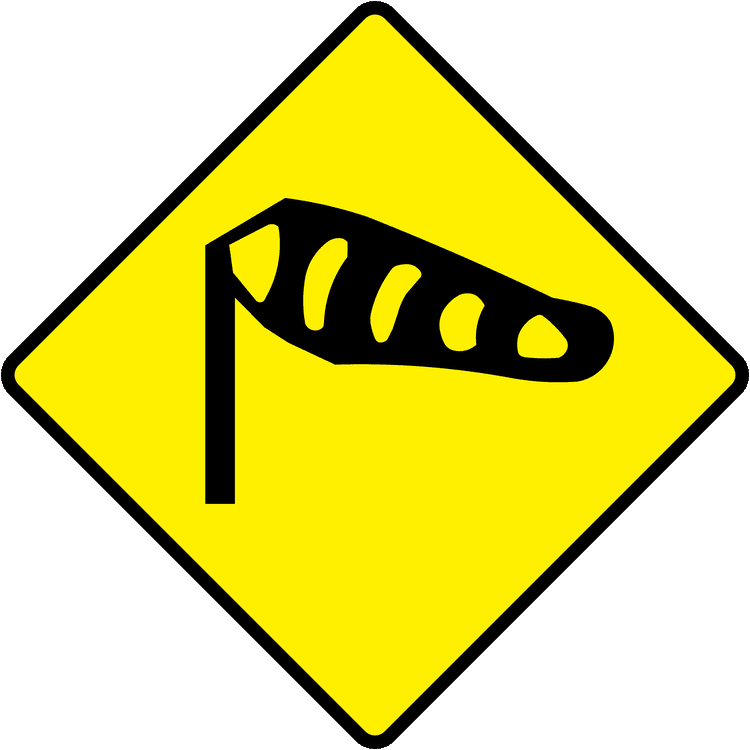
A triangular warning traffic sign in Ireland depicting crosswind. Memorize for DTT.

Crosswind

AI Summary

Key Takeaways

A compact, citation-friendly overview of Crosswind.

GEO-ready
  • Meaning: 🌬️ Warns of possible strong crosswinds.<br/>🚗 The wind can affect your vehicle's stability.<br/>🚚 High-sided vehicles should be particularly cautious.
  • Category: Warning Signs
  • Action required: Strong crosswinds in this area can affect vehicle stability, particularly for high-sided vehicles, motorcycles, and vehicles towing caravans or trailers. Maintain a firm grip on the steering wheel with both hands. Reduce speed by 10-20 km/h below the limit. Be prepared for sudden gusts that can push your vehicle sideways. Allow extra space when overtaking or being overtaken by large vehicles. Watch for vehicles ahead being affected by wind. Motorcyclists and cyclists are especially vulnerable—give them maximum space. In extreme wind conditions, consider delaying your journey.
  • Penalty note: While the crosswind sign itself carries no penalty, losing control due to inappropriate speed in windy conditions can result in charges. Careless driving due to speed inappropriate for weather conditions carries 2 penalty points and fines to €2,000. Dangerous driving—particularly if loss of control endangers others—brings 5 penalty points, fines to €5,000, imprisonment, and disqualification. If you're driving a high-sided vehicle and wind causes you to strike other vehicles or leave the carriageway, you may face charges of driving without due care for weather conditions.

Reference Table

Core Sign Facts

Structured metadata for quick AI parsing and theory-test recall.

Core facts about Crosswind
Sign nameCrosswind
Sign typeWarning Signs
Expected in DTT?Yes. This sign is commonly covered in Irish driving theory test preparation.
Action requiredStrong crosswinds in this area can affect vehicle stability, particularly for high-sided vehicles, motorcycles, and vehicles towing caravans or trailers. Maintain a firm grip on the steering wheel with both hands. Reduce speed by 10-20 km/h below the limit. Be prepared for sudden gusts that can push your vehicle sideways. Allow extra space when overtaking or being overtaken by large vehicles. Watch for vehicles ahead being affected by wind. Motorcyclists and cyclists are especially vulnerable—give them maximum space. In extreme wind conditions, consider delaying your journey.
AppearanceTriangular / Red and white
Typical locationCrosswind warning signs appear in exposed locations particularly susceptible to strong lateral winds. Common locations include the Conor Pass in Kerry, coastal routes along the Wild Atlantic Way in Clare and Donegal, exposed sections of the N59 through Connemara, bridges crossing wide rivers or estuaries such as the Barrow Bridge and Shannon Crossing, elevated motorway sections like the M50 Red Cow interchange flyovers, and open stretches across the Curragh plains in Kildare. Mountain passes in Wicklow and elevated coastal roads throughout Ireland display these signs.

This page explains what the Crosswind sign means, where it is typically found, and how drivers should respond in Ireland. It also connects you to closely related signs so you can compare similar road situations and build stronger theory-test recall.

What Does This Sign Mean?

Area subject to strong lateral wind gusts affecting stability.

Key Points:

🌬️ Warns of possible strong crosswinds.
🚗 The wind can affect your vehicle's stability.
🚚 High-sided vehicles should be particularly cautious.

Related Warning signs

  • A triangular warning traffic sign in Ireland depicting uneven road. Memorize for DTT.

    Uneven Road

  • A triangular warning traffic sign in Ireland depicting y-junction - left. Memorize for DTT.

    Y-Junction - Left

  • A triangular warning traffic sign in Ireland depicting tunnel. Memorize for DTT.

    Tunnel

  • A triangular warning traffic sign in Ireland depicting tram crossing. Memorize for DTT.

    Tram Crossing

  • A triangular warning traffic sign in Ireland depicting t-junction (type 1) - right. Memorize for DTT.

    T-Junction (Type 1) - Right

  • A triangular warning traffic sign in Ireland depicting t-junction (type 1) - left. Memorize for DTT.

    T-Junction (Type 1) - Left

More Warning Signs Signs

Accompanied Horses
Accompanied Horses warning sign in Ireland. This traffic sign alerts drivers that horses (ridden or led) may be on or crossing the road ahead. Horses can react unpredictably to traffic, requiring drivers to reduce speed and give them ample space.
Barrier Board - 3 Bars
Start of a taper—lane/shoulder begins narrowing ahead.
Barrier Board - 4 Bars
Mid‑taper—remaining merging distance is reduced.
Barrier Board - 5 Bars
Taper end—closure point is imminent or lane fully ending.
Cattle or Farm Animals
Farm animals may be walking, crossing, or standing on the carriageway.
Children Crossing
High likelihood of children crossing (school/play area proximity).

Complete Guide to This Sign

Where You'll Find This Sign

Crosswind warning signs appear in exposed locations particularly susceptible to strong lateral winds.

Common locations include the Conor Pass in Kerry, coastal routes along the Wild Atlantic Way in Clare and Donegal, exposed sections of the N59 through Connemara, bridges crossing wide rivers or estuaries such as the Barrow Bridge and Shannon Crossing, elevated motorway sections like the M50 Red Cow interchange flyovers, and open stretches across the Curragh plains in Kildare.

Mountain passes in Wicklow and elevated coastal roads throughout Ireland display these signs.

What This Means for Drivers

Strong crosswinds in this area can affect vehicle stability, particularly for high-sided vehicles, motorcycles, and vehicles towing caravans or trailers.

Maintain a firm grip on the steering wheel with both hands.

Reduce speed by 10-20 km/h below the limit.

Be prepared for sudden gusts that can push your vehicle sideways.

Allow extra space when overtaking or being overtaken by large vehicles.

Watch for vehicles ahead being affected by wind.

Motorcyclists and cyclists are especially vulnerable—give them maximum space.

In extreme wind conditions, consider delaying your journey.

Penalties & Legal Consequences

While the crosswind sign itself carries no penalty, losing control due to inappropriate speed in windy conditions can result in charges.

Careless driving due to speed inappropriate for weather conditions carries 2 penalty points and fines to €2,000.

Dangerous driving—particularly if loss of control endangers others—brings 5 penalty points, fines to €5,000, imprisonment, and disqualification.

If you're driving a high-sided vehicle and wind causes you to strike other vehicles or leave the carriageway, you may face charges of driving without due care for weather conditions.

Appears in Driving Test?

Theory test questions on weather hazards include crosswinds and appropriate responses.

You must understand that high-sided vehicles, motorcycles, and vehicles with trailers are most affected, and that speed reduction and firm steering control are essential.

Practical tests conducted in windy conditions assess whether you adapt your driving appropriately: reduced speed, both hands on wheel, extra caution when passing high-sided vehicles, and increased following distances.

Examiners note whether you recognize weather conditions as a hazard factor.

Failure to adapt speed to conditions can result in Grade 2 faults or Grade 3 if safety is compromised.

Frequently Asked Questions about the Crosswind Sign

What does the Crosswind sign mean in Ireland?

In Ireland, the Crosswind sign indicates: Area subject to strong lateral wind gusts affecting stability. Understanding this is crucial for safe driving and passing your DTT.

What type of sign is the Crosswind?

The "Crosswind" is officially classified as part of the WARNING group in Ireland. Like other signs of this type, it alerts drivers to specific rules, hazards, or information they must immediately observe.

Will the Crosswind sign appear on the Irish Theory Test?

Yes, you should expect the Crosswind sign to appear on your Irish Driving Theory Test (DTT). You must be able to identify it as a WARNING and know what it requires from you as a driver.

●Live App Updates

Master Irish Signs on Mobile

Get instant access to 400+ signs, interactive quizzes, and progress tracking. Download the free app today!

🍎
Download on
App Store
🤖
Get it on
Google Play