Irish Traffic Signs Logo
Irish Traffic Signs
SignsBlogPenalty PointsAppFAQHelp CenterFavorites
TikTokInstagramFacebookThreadsX
Irish Traffic Signs

Learn Irish traffic signs with visual matching quizzes and detailed explanations. Free platform for drivers preparing for their test.

TikTokInstagramFacebookThreadsX

Learn

  • Traffic Signs
  • Signs & Meanings
  • Mobile App

Support

  • Help Center
  • FAQ
  • Penalty Points

Company

  • About Us
  • Privacy Policy
  • Terms of Service

© 2026 Irish Traffic Signs. All rights reserved.

This is not an official application. It is prepared for educational purposes.

Made with ❤️ for Irish drivers

HomeWarning SignsStart of Climbing Lane
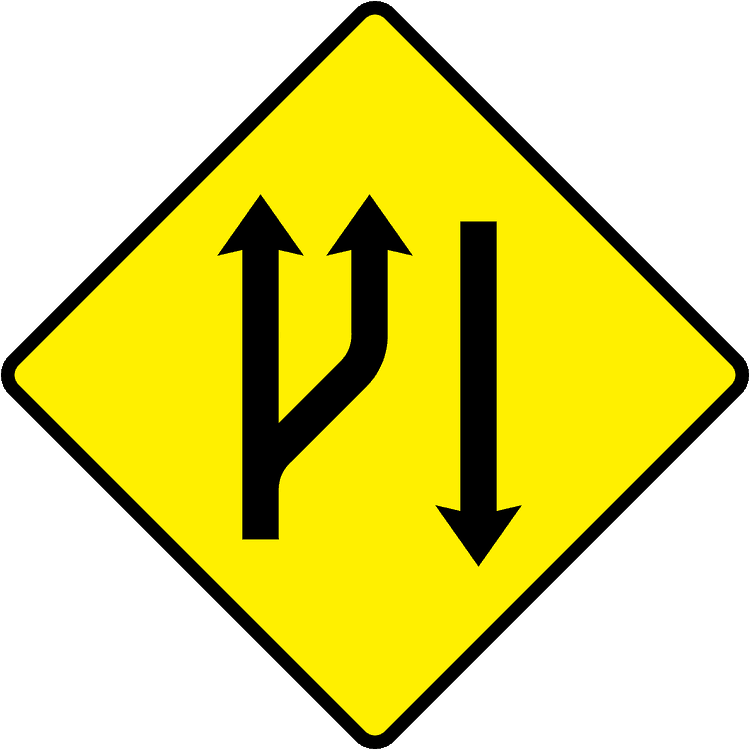
A triangular warning traffic sign in Ireland depicting start of climbing lane. Memorize for DTT.

Start of Climbing Lane

AI Summary

Key Takeaways

A compact, citation-friendly overview of Start of Climbing Lane.

GEO-ready
  • Meaning: 🚚 An extra lane for slow-moving vehicles begins here on an uphill gradient.<br/>🐢 Slower vehicles should use the left-hand lane.<br/>🚗 Faster traffic can use the right-hand lane to overtake.
  • Category: Warning Signs
  • Action required: This sign indicates an approaching section where the road widens to provide a dedicated slow-vehicle lane on the left, allowing faster traffic to pass on the right without crossing into the opposing carriageway. Slower vehicles (trucks, buses, underpowered vehicles, caravans) should move to the left lane, while faster vehicles use the right lane to overtake safely. The climbing lane configuration typically extends for 500-1500 metres depending on the gradient length. Unlike standard overtaking maneuvers requiring assessment of oncoming traffic, climbing lanes provide protected overtaking with clear separation. However, drivers must still watch for vehicles entering or exiting the slow lane. The sign indicates transition from single-lane to dual-lane configuration on uphill sections only—descents rarely have climbing lanes as gravity assists all vehicles.
  • Penalty note: Improper use of climbing lanes—such as slower vehicles remaining in the overtaking lane, or faster vehicles using the slow vehicle lane inappropriately—can result in careless driving charges (€80, 2 penalty points) if behavior impedes traffic flow significantly. While no specific offense exists for misusing climbing lanes, blocking traffic unnecessarily violates Road Traffic Act provisions about impeding traffic flow. Insurance claims arising from climbing lane incidents examine driver behavior—failure to use lanes appropriately may establish contributory negligence. The RSA emphasizes proper climbing lane use in road safety campaigns, particularly targeting commercial drivers whose behavior significantly impacts traffic flow on these sections.

Reference Table

Core Sign Facts

Structured metadata for quick AI parsing and theory-test recall.

Core facts about Start of Climbing Lane
Sign nameStart of Climbing Lane
Sign typeWarning Signs
Expected in DTT?Yes. This sign is commonly covered in Irish driving theory test preparation.
Action requiredThis sign indicates an approaching section where the road widens to provide a dedicated slow-vehicle lane on the left, allowing faster traffic to pass on the right without crossing into the opposing carriageway. Slower vehicles (trucks, buses, underpowered vehicles, caravans) should move to the left lane, while faster vehicles use the right lane to overtake safely. The climbing lane configuration typically extends for 500-1500 metres depending on the gradient length. Unlike standard overtaking maneuvers requiring assessment of oncoming traffic, climbing lanes provide protected overtaking with clear separation. However, drivers must still watch for vehicles entering or exiting the slow lane. The sign indicates transition from single-lane to dual-lane configuration on uphill sections only—descents rarely have climbing lanes as gravity assists all vehicles.
AppearanceTriangular / Red and white
Typical locationClimbing lane signs appear before uphill sections on major routes where gradients slow heavy vehicles significantly, creating traffic flow issues. Common locations include the N7 Dublin-Limerick route in the Slieve Bloom Mountains (Laois), the N8 through Galtee Mountains (Tipperary), the N22 Cork-Killarney road in the Derrynasaggart Mountains, and the N71 near Caha Pass (Cork-Kerry border). These infrastructure improvements typically appear on N-roads with gradients exceeding 6-8% sustained over distances of 1-2km where heavy goods vehicles slow to 40-50km/h while lighter vehicles can maintain 60-80km/h. The sign appears 100-200 metres before the climbing lane begins, often accompanied by lane configuration arrows. These expensive infrastructure additions address safety concerns where frustrated drivers attempted dangerous overtakes on uphill gradients.

This page explains what the Start of Climbing Lane sign means, where it is typically found, and how drivers should respond in Ireland. It also connects you to closely related signs so you can compare similar road situations and build stronger theory-test recall.

What Does This Sign Mean?

Additional uphill lane for slower vehicles.

Key Points:

🚚 An extra lane for slow-moving vehicles begins here on an uphill gradient.
🐢 Slower vehicles should use the left-hand lane.
🚗 Faster traffic can use the right-hand lane to overtake.

Related Warning signs

  • A triangular warning traffic sign in Ireland depicting start of passing lane. Memorize for DTT.

    Start of Passing Lane

  • A triangular warning traffic sign in Ireland depicting lane loss (two to one lane) - right. Memorize for DTT.

    Lane Loss (Two to One Lane) - Right

  • A triangular warning traffic sign in Ireland depicting lane loss (two to one lane) - left. Memorize for DTT.

    Lane Loss (Two to One Lane) - Left

  • A triangular warning traffic sign in Ireland depicting two-way traffic. Memorize for DTT.

    Two-way Traffic

  • A triangular warning traffic sign in Ireland depicting two-lane section. Memorize for DTT.

    Two-Lane Section

  • A triangular warning traffic sign in Ireland depicting tractors. Memorize for DTT.

    Tractors

More Warning Signs Signs

Accompanied Horses
Accompanied Horses warning sign in Ireland. This traffic sign alerts drivers that horses (ridden or led) may be on or crossing the road ahead. Horses can react unpredictably to traffic, requiring drivers to reduce speed and give them ample space.
Barrier Board - 3 Bars
Start of a taper—lane/shoulder begins narrowing ahead.
Barrier Board - 4 Bars
Mid‑taper—remaining merging distance is reduced.
Barrier Board - 5 Bars
Taper end—closure point is imminent or lane fully ending.
Cattle or Farm Animals
Farm animals may be walking, crossing, or standing on the carriageway.
Children Crossing
High likelihood of children crossing (school/play area proximity).

Complete Guide to This Sign

Where You'll Find This Sign

Climbing lane signs appear before uphill sections on major routes where gradients slow heavy vehicles significantly, creating traffic flow issues.

Common locations include the N7 Dublin-Limerick route in the Slieve Bloom Mountains (Laois), the N8 through Galtee Mountains (Tipperary), the N22 Cork-Killarney road in the Derrynasaggart Mountains, and the N71 near Caha Pass (Cork-Kerry border).

These infrastructure improvements typically appear on N-roads with gradients exceeding 6-8% sustained over distances of 1-2km where heavy goods vehicles slow to 40-50km/h while lighter vehicles can maintain 60-80km/h.

The sign appears 100-200 metres before the climbing lane begins, often accompanied by lane configuration arrows.

These expensive infrastructure additions address safety concerns where frustrated drivers attempted dangerous overtakes on uphill gradients.

What This Means for Drivers

This sign indicates an approaching section where the road widens to provide a dedicated slow-vehicle lane on the left, allowing faster traffic to pass on the right without crossing into the opposing carriageway.

Slower vehicles (trucks, buses, underpowered vehicles, caravans) should move to the left lane, while faster vehicles use the right lane to overtake safely.

The climbing lane configuration typically extends for 500-1500 metres depending on the gradient length.

Unlike standard overtaking maneuvers requiring assessment of oncoming traffic, climbing lanes provide protected overtaking with clear separation.

However, drivers must still watch for vehicles entering or exiting the slow lane.

The sign indicates transition from single-lane to dual-lane configuration on uphill sections only—descents rarely have climbing lanes as gravity assists all vehicles.

Penalties & Legal Consequences

Improper use of climbing lanes—such as slower vehicles remaining in the overtaking lane, or faster vehicles using the slow vehicle lane inappropriately—can result in careless driving charges (€80, 2 penalty points) if behavior impedes traffic flow significantly.

While no specific offense exists for misusing climbing lanes, blocking traffic unnecessarily violates Road Traffic Act provisions about impeding traffic flow.

Insurance claims arising from climbing lane incidents examine driver behavior—failure to use lanes appropriately may establish contributory negligence.

The RSA emphasizes proper climbing lane use in road safety campaigns, particularly targeting commercial drivers whose behavior significantly impacts traffic flow on these sections.

Appears in Driving Test?

Theory test questions about climbing lanes assess understanding of their purpose, proper lane selection based on vehicle performance, and safety procedures when lanes begin or end.

Questions might ask which lane different vehicle types should use, why climbing lanes exist, or what drivers should do when the climbing lane ends.

Practical driving tests rarely include climbing lanes as most test routes avoid mountainous terrain, but candidates taking tests in areas with climbing lanes must demonstrate appropriate responses: recognition of the sign, proper lane selection based on vehicle performance, safe overtaking procedures using the climbing lane, and correct re-merging when the lane ends.

Common mistakes include confusion about which lane to use or treating climbing lanes like standard dual carriageways.

Frequently Asked Questions about the Start of Climbing Lane Sign

What does the Start of Climbing Lane sign mean in Ireland?

In Ireland, the Start of Climbing Lane sign indicates: Additional uphill lane for slower vehicles. Understanding this is crucial for safe driving and passing your DTT.

What type of sign is the Start of Climbing Lane?

The "Start of Climbing Lane" is officially classified as part of the WARNING group in Ireland. Like other signs of this type, it alerts drivers to specific rules, hazards, or information they must immediately observe.

Will the Start of Climbing Lane sign appear on the Irish Theory Test?

Yes, you should expect the Start of Climbing Lane sign to appear on your Irish Driving Theory Test (DTT). You must be able to identify it as a WARNING and know what it requires from you as a driver.

●Live App Updates

Master Irish Signs on Mobile

Get instant access to 400+ signs, interactive quizzes, and progress tracking. Download the free app today!

🍎
Download on
App Store
🤖
Get it on
Google Play