AI Summary
Key Takeaways
A compact, citation-friendly overview of Start of Passing Lane.
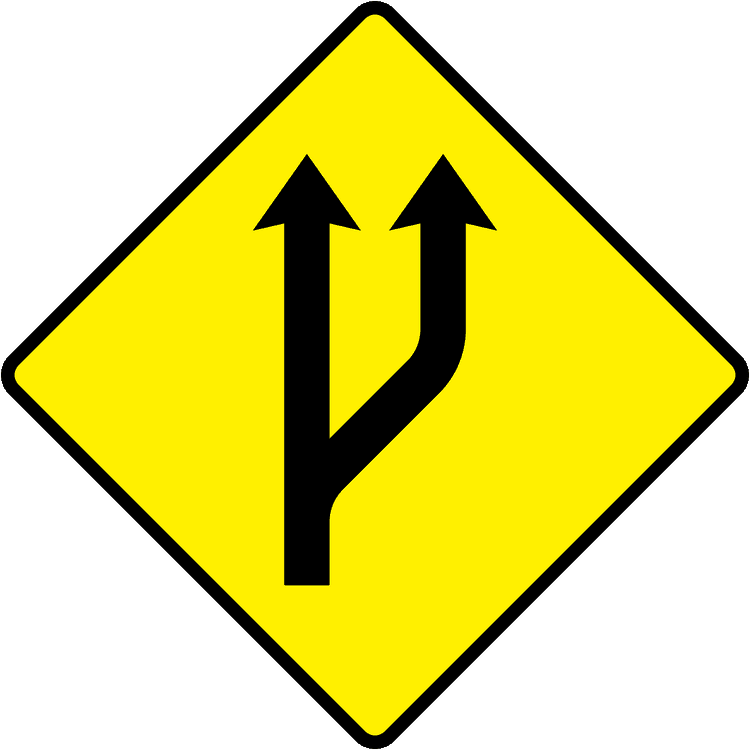
- Meaning: 🛣️ An extra lane is provided ahead to allow for overtaking.<br/>🚗 You may use the right lane to pass slower vehicles.<br/>🔚 Be aware that the overtaking lane will end a short distance ahead.
- Category: Warning Signs
- Action required: This sign indicates approaching road widening that provides a temporary additional lane specifically for overtaking, allowing faster vehicles to pass slower traffic safely using dedicated space rather than opposing traffic lanes. Unlike climbing lanes (primarily for slow vehicles ascending), passing lanes provide overtaking opportunities on level or gently sloping sections. Drivers should assess whether they need to overtake—if traveling at normal speed for conditions, remain in the left lane; if catching slower vehicles, use the right lane to overtake. Critical difference from continuous dual carriageways: passing lanes are temporary, ending after a relatively short distance (indicated by 'End of Passing Lane' signs). Drivers must complete overtakes promptly and return to the left lane before the lane ends. Multiple vehicles may overtake simultaneously using the passing lane.
- Penalty note: Improper passing lane use—such as remaining in the overtaking lane when not actively passing, or dangerous maneuvers when the lane ends—can result in careless driving charges (€80, 2 penalty points). Failure to merge safely when passing lanes end, particularly if forcing other vehicles to brake or swerve, may constitute dangerous driving (€5,000, 5 penalty points, potential disqualification). The RSA has identified passing lane endings as locations where aggressive drivers make poor decisions, attempting to complete overtakes as lanes end. Insurance assessments examine whether drivers used passing lanes appropriately—continuing in the overtaking lane beyond its termination or forcing way into traffic at lane ends typically establishes contributory negligence of 40-60%.