Irish Traffic Signs Logo
Irish Traffic Signs
SignsBlogPenalty PointsAppFAQHelp CenterFavorites
Irish Traffic Signs

Learn Irish traffic signs with visual matching quizzes and detailed explanations. Free platform for drivers preparing for their test.

Learn

  • Traffic Signs
  • Interactive Quiz
  • Mobile App

Support

  • Help Center
  • FAQ
  • Penalty Points

Company

  • About Us
  • Privacy Policy
  • Terms of Service

© 2026 Irish Traffic Signs. All rights reserved.

This is not an official application. It is prepared for educational purposes.

Made with ❤️ for Irish drivers

HomeWarning SignsThree Lanes of Traffic (Two With, One Against)
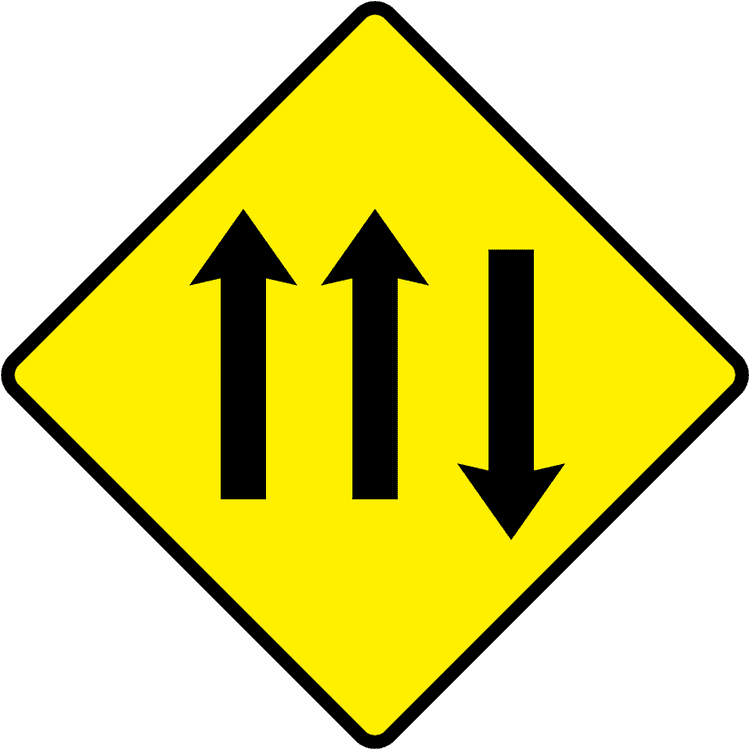
A triangular warning traffic sign in Ireland depicting three lanes of traffic (two with, one against). Memorize for DTT.

Three Lanes of Traffic (Two With, One Against)

Category

Warning

Difficulty

Intermediate

What Does This Sign Mean?

Two lanes favour your direction; one oncoming.

Key Points:

↔️ The road ahead has three lanes in total.
➡️ You have two lanes in your direction.
⬅️ There is one lane of oncoming traffic.

Related Warning signs

  • A triangular warning traffic sign in Ireland depicting three lanes of traffic (one with, two against). Memorize for DTT.

    Three Lanes of Traffic (One With, Two Against)

  • A triangular warning traffic sign in Ireland depicting lane loss (two to one lane) - right. Memorize for DTT.

    Lane Loss (Two to One Lane) - Right

  • A triangular warning traffic sign in Ireland depicting lane loss (two to one lane) - left. Memorize for DTT.

    Lane Loss (Two to One Lane) - Left

  • A triangular warning traffic sign in Ireland depicting lane loss (three to two lanes) - right (with 200m panel). Memorize for DTT.

    Lane Loss (Three to Two Lanes) - Right (with 200m panel)

  • A triangular warning traffic sign in Ireland depicting lane loss (three to two lanes) - left. Memorize for DTT.

    Lane Loss (Three to Two Lanes) - Left

  • A triangular warning traffic sign in Ireland depicting two-lane section. Memorize for DTT.

    Two-Lane Section

Complete Guide to This Sign

Where You'll Find This Sign

This favorable lane configuration appears where three-lane sections allocate two lanes to your direction and one to opposing traffic, common on N-roads approaching major towns during peak traffic hours.

You'll find these on the N2 approaching Dublin, N4 Dublin approaches, N7 near Naas, and N8 near Cork where traffic studies identified strong directional flows during commuter periods.

These configurations typically operate during specific time periods (morning or evening rush hours) when demand in your direction significantly exceeds opposing demand.

Sign placement occurs 200-300 metres before the lane configuration begins, often accompanied by time-period information plates indicating when the allocation applies.

Some sections use variable message signs showing which lane configurations are currently active.

Permanent two-lane allocations exist where directional imbalances persist throughout days, particularly on routes serving airport or port facilities with consistent inbound/outbound patterns.

What This Means for Drivers

This sign indicates the road ahead widens to three total lanes with favorable allocation—two lanes for your direction, one for opposing traffic.

This configuration provides overtaking opportunity using the second lane while the left lane serves as the normal travel lane.

Slower traffic should remain in the left lane, allowing faster traffic to overtake using the right lane.

The single opposing lane means oncoming vehicles have no overtaking opportunity and should remain in their lane.

However, vigilance is critical: some drivers in the single opposing lane may attempt dangerous overtakes crossing into your lanes, particularly if frustrated by slow vehicles ahead.

The warning indicates enhanced overtaking opportunity but also potential for head-on collisions if opposing vehicles violate lane discipline.

Road markings (solid white lines toward opposing traffic, dashed lines between your two lanes) reinforce the lane allocation, but compliance requires constant observation.

Penalties & Legal Consequences

Lane discipline in three-lane configurations is strictly enforced.

Using the right lane except for overtaking (middle-lane hogging) can result in careless driving charges (€80, 2 penalty points).

More seriously, if you drift into the opposing single lane—particularly where solid white lines prohibit crossing—dangerous driving charges apply (€5,000, 5 penalty points, disqualification), with head-on collision potential creating severe consequences.

Collisions where drivers in the two-lane allocation crossed into opposing traffic typically result in 90-100% liability given visible lane markings and signs.

The RSA emphasizes proper lane discipline in asymmetric configurations through enforcement campaigns, particularly during time-based allocation periods where lane usage changes.

Insurance companies examine whether drivers understood and respected lane allocations—visible signage makes violations clearly negligent.

Appears in Driving Test?

Theory test questions about three-lane configurations emphasize proper lane usage, overtaking procedures, and hazard awareness when lane allocations favor your direction.

Questions assess understanding of when to use each lane (left for normal travel, right for overtaking), what risks exist (opposing traffic may violate their single-lane restriction), and how road markings reinforce allocations.

Scenario questions test appropriate responses when encountering slower vehicles (overtake using right lane, return to left lane after passing).

Practical driving tests occasionally include three-lane sections where available; examiners assess: proper lane selection (left lane unless overtaking), smooth lane changes when overtaking, timely return to left lane after overtaking, observation for opposing traffic, and appropriate responses if opposing vehicles appear to be encroaching.

Common faults include remaining in the right lane unnecessarily (lane hogging) or failing to observe opposing traffic vigilantly.

Frequently Asked Questions about the Three Lanes of Traffic (Two With, One Against) Sign

What does the Three Lanes of Traffic (Two With, One Against) sign mean in Ireland?

In Ireland, the Three Lanes of Traffic (Two With, One Against) sign indicates: Two lanes favour your direction; one oncoming. Understanding this is crucial for safe driving and passing your DTT.

What type of sign is the Three Lanes of Traffic (Two With, One Against)?

The "Three Lanes of Traffic (Two With, One Against)" is officially classified as part of the WARNING group in Ireland. Like other signs of this type, it alerts drivers to specific rules, hazards, or information they must immediately observe.

Will the Three Lanes of Traffic (Two With, One Against) sign appear on the Irish Theory Test?

Yes, you should expect the Three Lanes of Traffic (Two With, One Against) sign to appear on your Irish Driving Theory Test (DTT). You must be able to identify it as a WARNING and know what it requires from you as a driver.

●Live App Updates

Master Irish Signs on Mobile

Get instant access to 400+ signs, interactive quizzes, and progress tracking. Download the free app today!

🍎
Download on
App Store
🤖
Get it on
Google Play