AI Summary
Key Takeaways
A compact, citation-friendly overview of Three Lanes of Traffic (One With, Two Against).
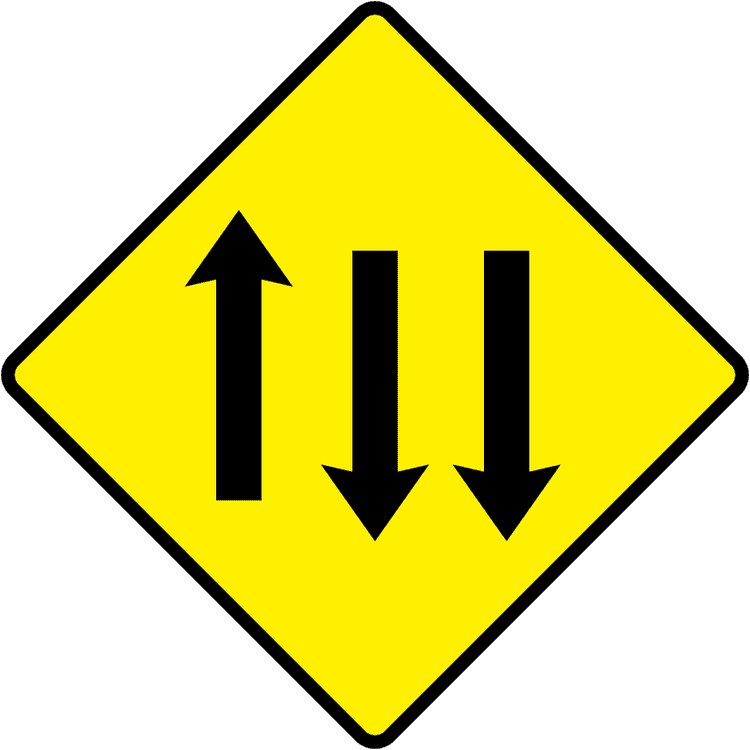
- Meaning: ↔️ The road ahead has three lanes in total.<br/>➡️ You have one lane in your direction.<br/>⬅️ There are two lanes of oncoming traffic.
- Category: Warning Signs
- Action required: This sign warns that the road ahead widens to three lanes total, but lane allocation favors opposing traffic—they receive two lanes while your direction receives only one. This asymmetric configuration typically reflects traffic flow studies showing greater demand in the opposing direction during certain periods. For you, it means no overtaking opportunity as you have only one lane, while opposing traffic has overtaking capability using their two lanes. The configuration requires heightened alertness because opposing vehicles may be overtaking in their second lane, bringing them closer to the center line near your single lane. Some configurations use time-based allocation (morning vs evening), while others are permanent based on consistent directional flow imbalances. The warning indicates potential for opposing vehicles overtaking near the center line adjacent to your lane—maintain lane discipline and watch for vehicles in the opposing lanes.
- Penalty note: Lane discipline violations in three-lane configurations carry standard penalties but consequences can be severe. Crossing into opposing lanes where road markings prohibit (solid white lines) results in dangerous driving charges (€5,000, 5 penalty points, disqualification), particularly given that head-on collision potential exists with opposing traffic using two lanes. Attempting to overtake where only one lane exists in your direction by using opposing lanes typically results in dangerous driving prosecution, especially if timed allocation systems specifically prohibit it. Insurance companies heavily scrutinize lane violations in signed three-lane configurations—visible warnings establish drivers knew lane allocations, making violations clearly negligent. Collisions resulting from improper lane use often result in 80-100% liability against the violating driver.